
- Macchine
- Competenza
- Risorse
- Certificati
- Di
- Contatto
- Macchine
- Competenza
- Risorse
- Certificati
- Di
- Contatto
Packaging in the pharmaceutical industry is much more than just a container – it’s an active part of the product’s lifecycle. Functional packaging refers to packaging designed to add value and safety beyond simply holding the drug. In pratica, this means including features like child-resistant closures, sigilli anti-manomissione, umidità- and oxygen-barrier layers, desiccants, and clear dosing labels. These design elements protect the drug from damage and help ensure patient safety and compliance. Per esempio, child-proof caps and seals prevent little ones from accidentally ingesting medicine, and desiccant inserts or oxygen scavenger films keep sensitive drugs stable on the shelf.
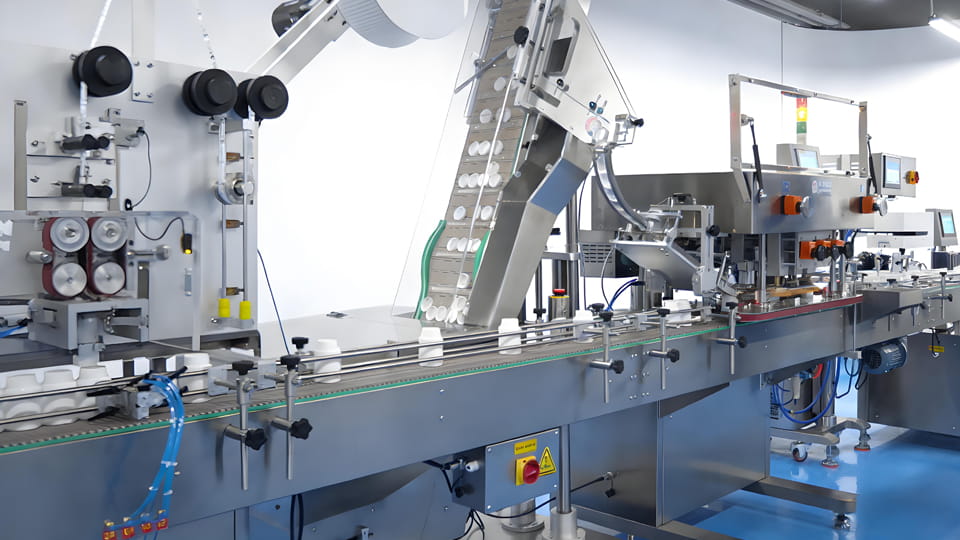
Figura: A modern pharmaceutical packaging line. Functional packaging often involves advanced machines that fill, foca, and label products to strict safety standards.
Insomma, functional pharmaceutical packaging actively helps maintain drug quality and usability. It acts as a barrier against contamination and climate (umidità, leggero, ossigeno) while also serving as a communication tool (clear labels, istruzioni sul dosaggio). This multi-faceted role is critical for public health, because packaging that fails can lead to reduced potency, dosing errors, or safety hazards. Come nota un esperto del settore, packaging now serves a “multifaceted role, acting as a barrier to contamination, protection from environmental and climatic influences, and a tool for ensuring proper dosage and usage.”
Functional packaging in pharma is defined by the specific protective and user-friendly features it provides. Common functional features include:
Complessivamente, functional pharmaceutical packaging combines protection and usability. It is designed to meet regulatory and market needs while preventing product loss. By prioritizing things like moisture barriers and child safety, drugmakers greatly reduce the risk of errors or contamination. And because functional packaging adds value (sicurezza, convenienza, durata di conservazione), it often gives pharmaceutical brands a competitive advantage.
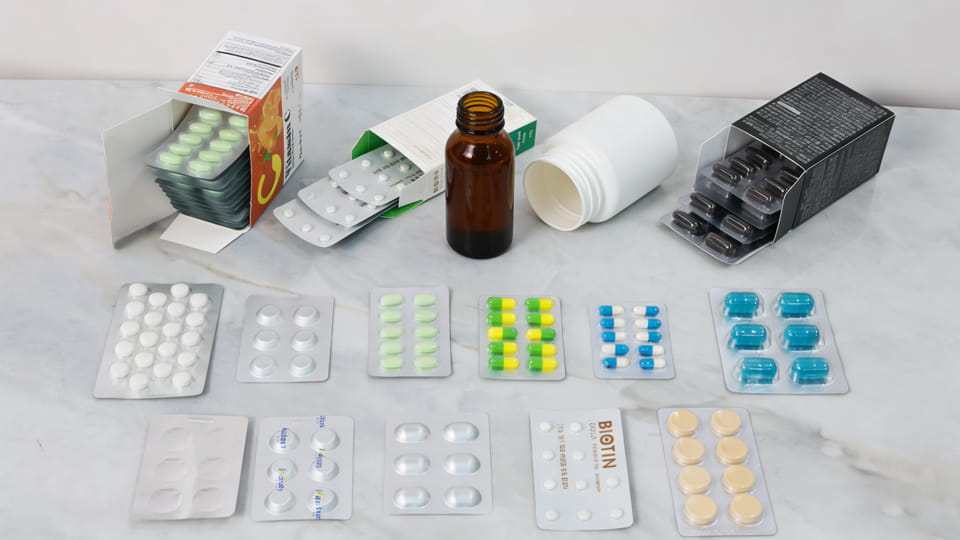
Nell'industria farmaceutica, packaging must comply with strict regulations. Regulatory agencies around the world require that drugs stay safe and effective through distribution and use. This has driven the development of many functional features as legal requirements. Per esempio, the FDA and other authorities typically mandate child-resistant and tamper-evident packaging for most prescription and over-the-counter drugs. Labels must include specific information (active ingredients, dosaggio, warnings) in standardized formats. These rules ensure that functional packaging meets minimal safety standards.
Historical outbreaks and recalls have shown why this is vital. Early pharmaceutical containers (like simple glass bottles) did not control moisture or tampering, leading to contamination risks. In response, regulators introduced laws for secure closures and protective packaging layers. Oggi, compliance packaging is as important as any drug formulation: a poorly designed package can cost a company millions or endanger lives.
Functional packaging also helps meet pharmacopoeial and GMP guidelines. Ad esempio, guidelines on container-closure systems require documentation that the packaging maintains drug stability. Manufacturers often perform transport and stability testing on their functional packaging to demonstrate shelf-life and compliance.
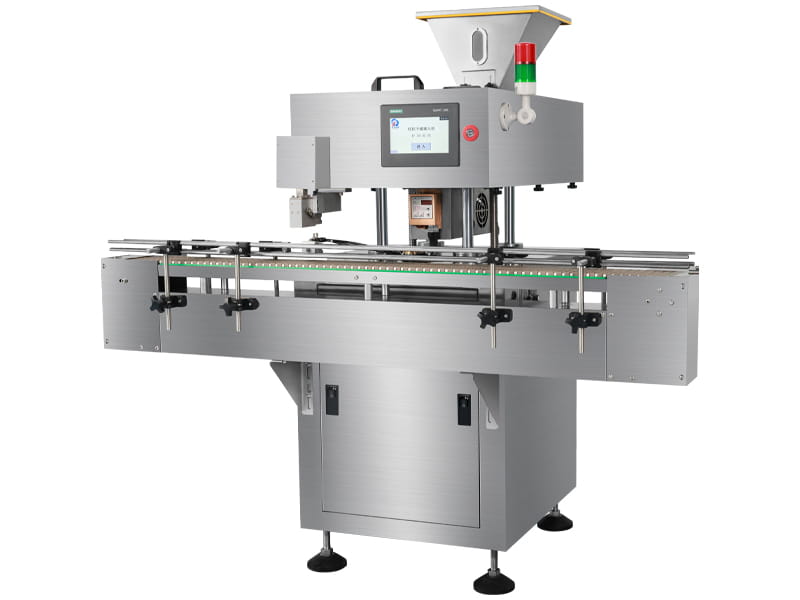
In pratica, meeting these requirements means that engineers and designers must carefully choose materials (barrier films, plastica, cardboards) and technologies (sigillatura a calore, sigillatura a induzione, automated sealing) during package development. Moderno linee di confezionamento (like those by Jinlupacking) are built to implement these features reliably under sterile, clean conditions. Per esempio, a pharma blister line might include stations to insert desiccant strips and apply child-resistant locks before sealing each blister.
When designing a functional packaging solution for a pharmaceutical product, engineers consider the drug’s properties, the patient’s needs, and the distribution environment. Critical factors include:
Insomma, designing functional pharma packaging is a holistic engineering process. The goal is to choose a packaging format (vescica, bottiglia, sacchetto, ecc.) and materials that fulfill the product’s protection, regulatory, and user requirements all at once. Collaboration between formulation scientists, packaging engineers, and production teams is key. Alla fine, a well-designed package means the drug is delivered to the patient in prime condition, as intended.
A major trend in functional packaging is the integration of smart technology. Smart packaging uses electronics or data to add new layers of protection and convenience. Per esempio:
These innovations make packaging an active participant in healthcare. As Colorcon notes, such technologies “provide patients with easy access to information, reminders, and adherence support” via their smartphones. They also help pharmaceutical companies monitor and improve patient outcomes. While still emerging, smart packaging is becoming a key functional component for complex therapies and remote patient monitoring.
Functional packaging is not just about pills and safety – it’s also about the environment. The industry is rapidly moving toward sustainable packaging solutions. This means using eco-friendly materials and designs without sacrificing the protective role of packaging.
Ad esempio, many companies are replacing mixed-material blisters and over-packs with mono-material alternatives (one kind of plastic or all paperboard). New fiber-based cartons can now include child-resistant tabs and moisture barriers, which “can support child resistance, protezione dell'umidità, and fast line speeds once assumed to require plastic.”. By using engineered paperboard and fewer plastic films, these packages are much easier to recycle. Infatti, packaging experts report that pharma teams are working to eliminate or significantly reduce plastic in secondary packaging. Per esempio, a company might use custom die-cut cardboard inserts with built-in locking flaps instead of shrink wrap and plastic trays.
Lightweighting is another sustainable strategy. Packaging scientists use thinner films and compact designs to “produce lighter packaging without compromising its protective qualities,” which reduces material usage and transport emissions. If a shipping box is smaller or made from recycled paperboard, that saves fuel when transporting medicines globally. Some companies even take back used coolers and reusable containers after shipments to avoid single-use foam or plastics.
È importante sottolineare che, sustainability is being built into functionality. Rather than adding a separate “green” label, modern designs integrate eco-solutions from the start. As one industry leader put it, sustainability is shifting from mere marketing claims to “comprehensive, structural sustainability in which performance and recyclability coexist without extra components.”. In pratica, this means regulatory-required safety features (like tamper evidence) are now being engineered into recyclable materials, and drug stability (barriers, ecc.) is achieved with renewable or recyclable media.
Complessivamente, the future of functional packaging combines safety and sustainability. We are seeing more fully compostable or recyclable wraps, bio-based plastics, and returnable systems, all while still ensuring the medicine inside is fully protected.
Guardando avanti, functional packaging will only become more strategic and sophisticated. Experts predict it will transform from a commodity into a key enabler of drug performance. In altre parole, packaging will be designed first and foremost to boost the medicine’s effectiveness, sicurezza, and supply reliability.
We already see this in emerging trends:
Alla fine, the winners will be packaging solutions that solve real challenges without adding complexity. The most advanced packages will unite functional design with environmental responsibility and digital intelligence. They will protect the medicine and patient, be easy to use, and be kinder to the planet. In the words of industry analysts, successful pharmaceutical packaging of 2026 and beyond will “unite functional design, environmental responsibility, and actionable insights to strengthen product performance and development success.”
Functional packaging in pharmaceuticals refers to packaging that goes beyond basic containment and actively protects, conserve, and enhances the usability of medicines. It includes features such as moisture barriers, sigilli anti-manomissione, and child-resistant closures to ensure product safety and stability throughout its lifecycle .
Functional packaging is critical because it protects drugs from environmental factors like moisture, ossigeno, e luce, which can degrade their effectiveness. It also improves patient safety by preventing contamination, misuse, and dosing errors .
Typical examples include:
• Blister packs with moisture protection
• Child-resistant bottle caps
• Sigilli antimanomissione
• Desiccant-integrated containers
• Smart packaging with QR codes or sensors
These solutions help maintain drug quality and improve patient compliance.
Functional packaging improves drug stability by controlling environmental exposure. Per esempio, moisture barriers and desiccants reduce humidity, while oxygen barriers prevent oxidation. This helps maintain the chemical and physical integrity of medicines over time .
Traditional packaging mainly focuses on basic containment and transportation, with limited protective features.
Functional packaging goes further by actively protecting the drug and improving safety. It includes features like moisture barriers, sigilli anti-manomissione, and child-resistant designs to maintain product integrity and ensure safe use .
Insomma, traditional packaging is passive, while functional packaging is designed to be active and protective.
Functional packaging design focuses on creating packaging that meets both technical and user needs. It considers factors such as drug sensitivity, fruibilità del paziente, conformità normativa, and production efficiency to deliver a complete packaging solution.
Functional packaging enhances patient safety by:
• Preventing accidental ingestion (child-resistant features)
• Indicating tampering or contamination
• Providing clear dosage instructions
• Supporting adherence through smart reminders
These features reduce medication errors and improve treatment outcomes.
Smart functional packaging integrates digital technologies such as sensors, QR codes, or NFC chips. These features allow real-time monitoring of storage conditions, product authentication, and patient interaction through mobile devices .
Companies consider several factors:
• Drug formulation (tavoletta, liquido, biologic)
• Sensitivity to moisture, ossigeno, o leggero
• Distribution conditions (catena del freddo, trasporto)
• Regulatory requirements
• Patient usability
Choosing the right packaging directly impacts drug efficacy and compliance .
SÌ. Modern functional packaging increasingly uses recyclable materials, lightweight designs, and eco-friendly alternatives while maintaining protective performance. The goal is to balance product safety and environmental responsibility without compromising quality.