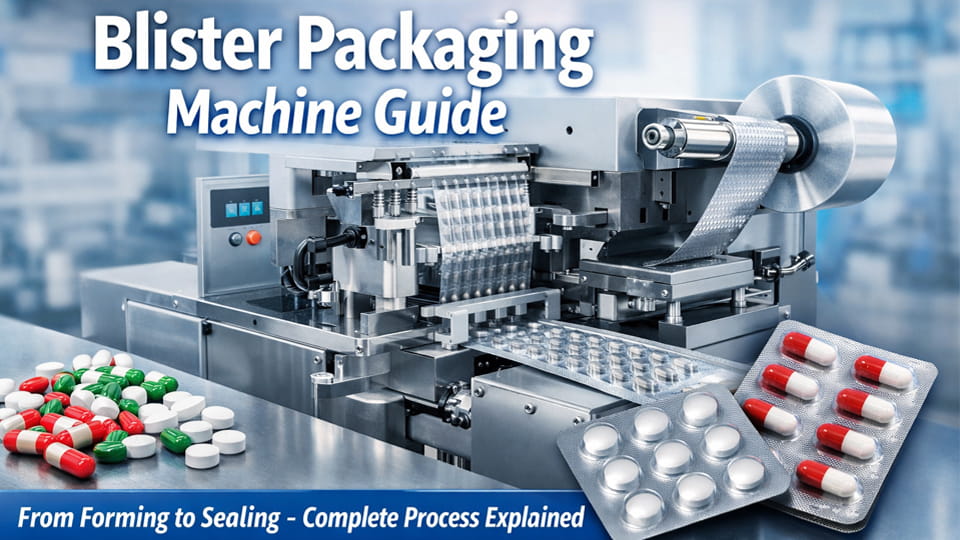

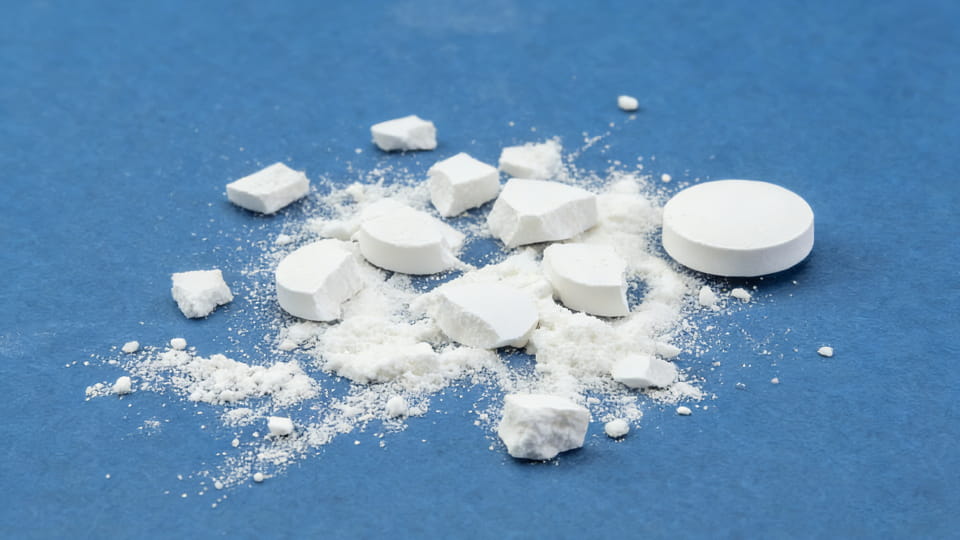
में दवा निर्माण, टैबलेट दोष एक गोली में कोई दोष है जो इसे गुणवत्ता मानकों से कम कर देता है. यह किनारे पर एक चिप हो सकती है, सतह के माध्यम से एक दरार, एक असमान कोटिंग, या गलत छाप भी. सामान्य शर्तों में, एक दोषपूर्ण टैबलेट बिल्कुल "सही" नहीं है - यह आसानी से टूट सकता है, अजीब लग रहा है, या गलत खुराक है. टेबलेट में खराबी कई कारणों से हो सकती है (अनुचित सामग्री, मशीन संबंधी समस्याएं, मानव त्रुटि, वगैरह।). उदाहरण के लिए, यहां तक कि आधुनिक उपकरणों और सख्त जीएमपी नियमों के साथ भी, दरारें जैसी समस्याएं, चिप्स, ख़राब कोटिंग, या मुद्रण त्रुटियाँ अभी भी होती हैं.
प्रतिदिन लाखों गोलियाँ उत्पादन लाइनों से बाहर हो जाती हैं, और प्रत्येक को कड़ी विशिष्टताओं को पूरा करना होगा. एक भी दोष के बड़े परिणाम हो सकते हैं: एक पूरे बैच को ख़त्म किया जा सकता है, या इससे भी बदतर, को याद किया. वास्तव में, शारीरिक दोष वाली कोई भी गोली आमतौर पर मरीजों को नहीं भेजी जा सकती. एफडीए डेटा के बारे में पता चलता है 24% सभी दवाओं की वापसी में विनिर्माण गुणवत्ता संबंधी मुद्दे शामिल हैं. रिकॉल महंगा है, भी - उद्योग रिपोर्टों का अनुमान है कि एक फार्मा रिकॉल की लागत $10-100 मिलियन या अधिक हो सकती है. सबसे महत्वपूर्ण बात, दोष रोगी की सुरक्षा और विश्वास को खतरे में डालते हैं. कल्पना कीजिए कि एक मरीज को फटी हुई गोली मिल रही है जो दो भागों में विभाजित हो जाती है (बिना किसी खुराक की गारंटी के) या एक टेबलेट जिस पर सामग्री के अस्वीकृत धब्बे हों. स्पष्ट रूप से, निर्माताओं को इन दोषों को जल्दी ही पकड़ना चाहिए.

यहां कुछ सबसे आम टैबलेट दोष हैं जो उत्पादन के दौरान सामने आते हैं. प्रत्येक दोष के विशिष्ट कारण होते हैं, जिसे हम अगले भाग में कवर करेंगे. उन्हें समझने से हर किसी को लाइन पर समस्याओं को पहचानने और रोकने में मदद मिलती है:
ये खामियाँ इस बात का संकेत हैं कि क्या गलत हो सकता है. मुख्य उपाय यह है कि कोई भी दृश्य दोष - दरार, चिप्स, परतें, मलिनकिरण, असमानता- जांच होनी चाहिए. टेबलेट की खराबी अक्सर उत्पादन में समस्या का संकेत देती है.

टेबलेट की खामियाँ केवल दिखावटी नहीं हैं - वे बड़े जोखिमों का संकेत देती हैं. खराबी का मतलब है कि विनिर्माण प्रक्रिया बिल्कुल योजना के अनुसार नहीं हुई, जो खुराक की सटीकता को प्रभावित कर सकता है, नशीली दवाओं का विमोचन, या स्थिरता. मरीजों के लिए, एक त्रुटिपूर्ण टैबलेट बहुत कम परिणाम दे सकता है (या बहुत ज्यादा) दवा, या प्रभावकारिता बदल दी है. सबसे खराब स्थिति में, गुणवत्ता संबंधी मुद्दे मरीजों को नुकसान पहुंचा सकते हैं. निर्माताओं के लिए, दोषों का मतलब बर्बादी और लागत है. ख़राब टेबलेट अक्सर बेची नहीं जा पातीं, महँगे पुनर्कार्य या स्क्रैप के लिए बाध्य करना. उदाहरण के लिए, एक उद्योग रिपोर्ट में कहा गया है कि एक दवा निर्माता को एक रिकॉल की लागत 10-100 मिलियन डॉलर हो सकती है. उसी रिपोर्ट में कहा गया है कि जीवन विज्ञान में एक भी वारंटी/रिकॉल घटना इतनी अधिक चल सकती है $600 मुकदमेबाजी और अप्रत्यक्ष लागत शामिल होने पर मिलियन.
नियामक दोषों को गंभीरता से लेते हैं. एफडीए की गुणवत्ता रिपोर्ट से पता चलता है कि सभी दवाओं की लगभग एक चौथाई वापसी विनिर्माण या सीजीएमपी विफलताओं से जुड़ी है. दूसरे शब्दों में, विनिर्माण गुणवत्ता (जैसे टैबलेट की खराबी से बचना) यह सीधे तौर पर रिकॉल और जुर्माने से जुड़ा है. रोगी सुरक्षा, कंपनी की प्रतिष्ठा, और अंतिम बात यह है कि सब कुछ दांव पर है.
सीधे शब्दों में कहें तो: दोषपूर्ण गोलियाँ पैसे की बर्बादी करती हैं और रोगियों को जोखिम में डालती हैं. जैसा कि एक उद्योग विशेषज्ञ बताते हैं, उचित रखरखाव या गुणवत्ता जांच को छोड़ देने से "नतीजतन दोषपूर्ण टैबलेट हो जाएंगे और अंततः बैच पूरी तरह से नष्ट हो जाएगा". व्यवहार में, इसका मतलब है कि किसी ख़राब बैच को मरीज़ों तक पहुंचाने से पहले उसे नष्ट कर देना चाहिए. कोई भी कंपनी ऐसा नहीं चाहती.
प्रत्येक दोष के पीछे एक या अधिक मूल कारण होते हैं. The टेबलेटिंग प्रक्रिया कई चरण हैं, इसलिए सामग्री से समस्याएँ उत्पन्न हो सकती हैं, सूत्रीकरण, मशीनों, या मानवीय कारक. सामान्य कारणों में शामिल हैं:
सारांश, most defects come from either the materials/formulation side or the process/equipment side. उदाहरण के लिए, capping often results from trapped air or elastic recovery in the granules, whereas chipping often points to tooling or lubrication problems. Identifying the root cause usually involves looking at both the recipe and the machine setup.
The good news is that defects can be greatly reduced with proper practices. Here are key strategies industry pros use:
व्यवहार में, combining these measures is most effective. उदाहरण के लिए, using an AI vision system or automated inspection ensures every tablet is checked (instead of just a small sample). वैसे ही, following a Quality by Design (क्यूबीडी) approach at the development stage means the formulation itself is optimized to be robust, which prevents defects down the line. The bottom line is to build quality in at each step, rather than try to inspect it in later.
To put it in perspective, tablets are the most common drug form worldwide – they’re cheap, स्थिर, and convenient. A single large pharma facility might run hundreds of thousands of tablets an hour. With such volume, even a tiny defect rate can mean thousands of bad pills. That’s why big companies invest heavily in automation and inspection.
All these factors mean that preventing tablet defects is critical. Not only does it protect patients, it also saves companies from massive losses.

Tablet defects – whether it’s a tiny chip, a split layer, an off-color spot, or an imprint error – are a headache for any pharma manufacturer. But understanding what they look like and why they happen is the first step to eliminating them. सारांश: identify common defects early, find and fix the root cause (ingredient or process), and build strong quality checks at every step.
If your factory is struggling with tablet quality, you don’t have to go it alone. और jeinlu उठा, हम इसमें विशेषज्ञ हैं pharmaceutical production and packaging equipment designed for precision. Our high-performance टैबलेट प्रेस, कोटिंग मशीनें, और inspection systems are engineered to minimize defects (through uniform compression, gentle handling, और दृष्टि निरीक्षण).
Ready to ensure defect-free tablets? Contact us for a quote tailored to your needs. Our team can recommend equipment or process upgrades to keep your tablets consistent and your lines running smoothly. Don’t let tablet flaws cost you time and money – let’s work together to produce perfect pills.
A tablet defect refers to any visible or physical flaw in a tablet that prevents it from meeting quality standards. These defects can include cracks, chipped edges, uneven color, sticking surfaces, or incorrect weight. Such defects usually occur during compression, कलई करना, or handling processes in pharmaceutical manufacturing and may affect the tablet’s appearance, स्थिरता, or dosage accuracy.
Some of the most common defects in tablet manufacturing include:
• Capping
• Lamination
• चिपकना
• Picking
• छिलना
• Cracking
• Weight variation
• Mottling (uneven color)
These defects often occur due to formulation issues, improper machine settings, or environmental factors during tablet production.
Capping happens when the top or bottom layer of a tablet separates from the body, while lamination refers to the tablet splitting into multiple layers.
The main causes include:
• Air trapped in the powder during compression
• Insufficient compression force
• Poor granule binding
• Excessive press speed
Proper compression settings and optimized granulation can significantly reduce these defects.
Sticking occurs when the tablet material adheres to the punch face or die wall during compression. This defect often results in rough surfaces or damaged tablet logos.
सामान्य कारणों में शामिल हैं:
• Excess moisture in the formulation
• Inadequate lubrication
• Rough or worn punches
• Sticky active ingredients
Maintaining proper lubrication and using polished tooling can help prevent sticking issues.
Both defects involve tablet material adhering to tooling surfaces, but they occur in slightly different ways:
• चिपकना: Powder sticks to punch faces or die walls.
• Picking: Material is pulled away from the tablet surface, usually around embossed logos or lettering.
Picking is generally considered a specific type of sticking that occurs on engraved punch designs.
Tablet formulation plays a major role in defect formation. Poorly designed formulas may contain:
• Too little binder
• Too much moisture
• Excess fine particles
• Poorly flowing granules
These issues can lead to problems like capping, फाड़ना, चिपका, or weight variation during compression.
• Optimize formulation and granulation quality
• Maintain correct compression force and press speed
• Ensure proper lubrication of punches and dies
• Control humidity and temperature in the production area
• Conduct regular equipment maintenance and inspection
Advanced tablet press machines and automated inspection systems can also help detect defects early in the process.
Preventing tablet defects requires controlling several factors during production:
Tablet weight variation occurs when individual tablets in a batch have inconsistent mass. This can lead to inaccurate dosage and regulatory compliance issues.
सामान्य कारणों में शामिल हैं:
• Poor powder flow
• Uneven granule distribution
• Incorrect feeder settings
• Improper mixing
Maintaining consistent material flow into the die cavity is essential to avoid this defect.
हाँ. Tablet defects can impact drug stability, खुराक सटीकता, and patient safety. उदाहरण के लिए, cracked or chipped tablets may break apart during packaging or transport, while weight variation can lead to incorrect dosing. इसके कारण, pharmaceutical manufacturers must follow strict quality control standards and inspection procedures.
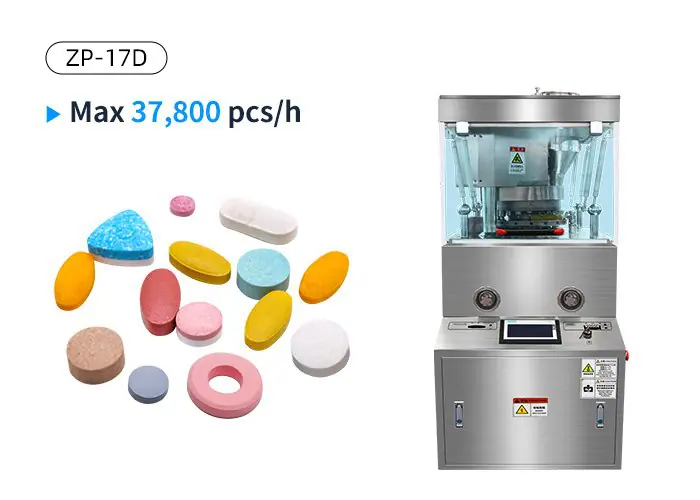
Modern tablet press machines are designed to reduce defects through:
• Precise compression force control
• Stable turret speed
• Improved granule feeding systems
• Automated monitoring of tablet weight and hardness
High-quality equipment ensures consistent compression and better process control, which helps pharmaceutical manufacturers minimize tablet defects and improve production efficiency.
संदर्भ:
1. MANUFACTURING DEFECTS OF TABLETS – A REVIEW — Journal of Drug Delivery and Therapeutics
2.Tablet’s Common Defects and Solution — Journal of Chemical and Pharmaceutical Research
3.Understanding tablet defects in commercial manufacture and transfer - साइंसडायरेक्ट
4.Exploring the Impact of Formulation and Tablet Shape on Tablet Integrit – Journal of Pharmaceutical Sciences (2025)