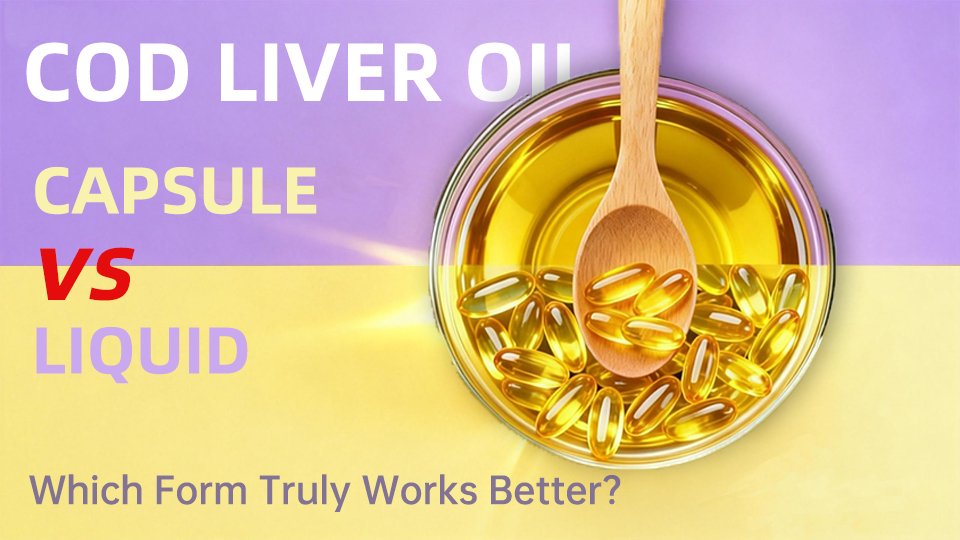

Omega-3 supplements like fish oil are extremely popular worldwide. আসলে, fish oils are extremely popular in the US, where they are consumed by more than a third of adults who use খাদ্যতালিকাগত সম্পূরক. Consumers have many forms to choose from – fish oil capsules (সহ কড লিভার অয়েল ক্যাপসুল or fish oil tablets) and pills or liquid oils. This guide breaks down the key differences – absorption, ডোজ, স্বাদ, স্থিতিশীলতা, and even packaging – so you can pick the right form for your needs. (We’ll even touch on how softgel capsule filling machines come into play for manufacturers.)

ওমেগা-৩ ফ্যাটি অ্যাসিড (EPA and DHA) found in fish oil support heart health, brain function, এবং আরো. Clinical research confirms that regular omega-3 intake reduces cardiovascular events – for example, a large meta-analysis found omega-3 supplements “reduced cardiovascular mortality and improved cardiovascular outcomes”. সংক্ষেপে, getting enough EPA/DHA is important, whether from diet or supplements. But does form (ক্যাপসুল বনাম. তরল) make a difference?
One practical issue is dosage. Most সফটজেল ক্যাপসুল (fish oil pills) contain limited omega-3 per unit. ক 2022 analysis of 231 ইউ.এস. fish oil products found the average EPA+DHA per serving was only ~697 mg, with a range from about 60 থেকে 2684 মিলিগ্রাম. To hit a beneficial dose (চারপাশে 2000 mg of EPA+DHA), most people would need multiple capsules. In that study, on average it took about five capsules (or other servings) to reach a 2-gram omega-3 dose. গুরুত্বপূর্ণভাবে, the only supplements that met that 2000 mg dose in one serving were liquid formulas – both of the two qualifying products were liquid oils. অন্য কথায়, achieving high omega-3 intake with capsules usually requires taking several pills per day, whereas liquid oils can provide higher doses per serving.
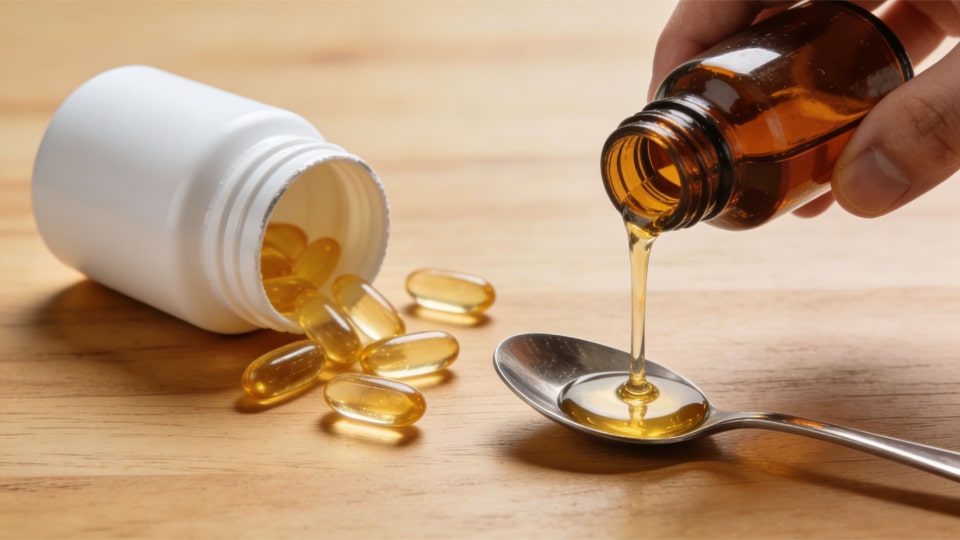
Absorption is another key factor. সাধারণভাবে, liquid fish oil tends to be absorbed faster and more fully than capsule form. One reason is that a liquid or emulsified oil can mix with digestive enzymes immediately, whereas a capsule shell must first dissolve. আসলে, pharmaceutical research shows oral solutions often have higher bioavailability than capsules. উদাহরণস্বরূপ, a drug study found an oral liquid solution had about 30–37% higher blood absorption than the same dose in capsules.
গুরুত্বপূর্ণভাবে, fish oil itself has been studied this way. In a controlled trial, healthy volunteers were given the same dose of fish oil once as an emulsified liquid and once as capsules. ওভার 48 ঘন্টা, blood levels of omega-3 fats (EPA and DHA) rose significantly more with the liquid form than with the capsules. The researchers concluded “a single dose of the emulsified fish oil resulted in enhanced absorption of total n-3, ইপিএ, and DHA…” compared to capsules. সরল ভাষায়, liquid or emulsified fish oil (and cod liver oil) generally delivers omega-3s into your system more efficiently than the equivalent amount in capsules.
Capsules and softgels: Most people prefer swallowing a gel capsule to drinking oil. Capsules hide the fishy taste and odor, and many come coated (even enteric-coated) to avoid “fish burps.” They deliver a fixed dose per pill, which is handy for compliance. তবে, if many capsules are needed for a full dose, that can be a hassle. এছাড়াও, capsules are sensitive to oxidation: their gelatin shell protects the oil, but once opened (or past expiration), the oil can go rancid. (We’ll discuss freshness below.)
Liquid fish oils: These allow flexible dosing (you can pour or spoon out exactly what you need) and may taste fresher if properly flavored (like lemon cod liver oil, traditional in Nordic countries). They lack the capsule shell, so some consumers dislike the fishy flavor or aftertaste. Liquid oils must often be flavored and kept refrigerated. On the plus side, liquids can be more concentrated – many cod liver oil or fish oil liquids deliver a full therapeutic dose in one teaspoon. One blog notes that the move to capsules made it harder for people to get high omega-3 doses easily, since “a person typically has to swallow 7–10 gel caps to equal the omega-3 dose found in a tablespoon of cod liver oil”. (দ্রষ্টব্য: that is a brand’s blog, but it aligns with the dosing issues found in scientific studies.)
We should also mention pills and tablets. True fish oil tablets (pressed pills) are less common; usually oil is softgel-encapsulated. But some supplements microencapsulate oil into a powder to make chewable tablets (often for kids). Those behave more like capsules in terms of dose, but can be chewier and still taste fishy unless coated.
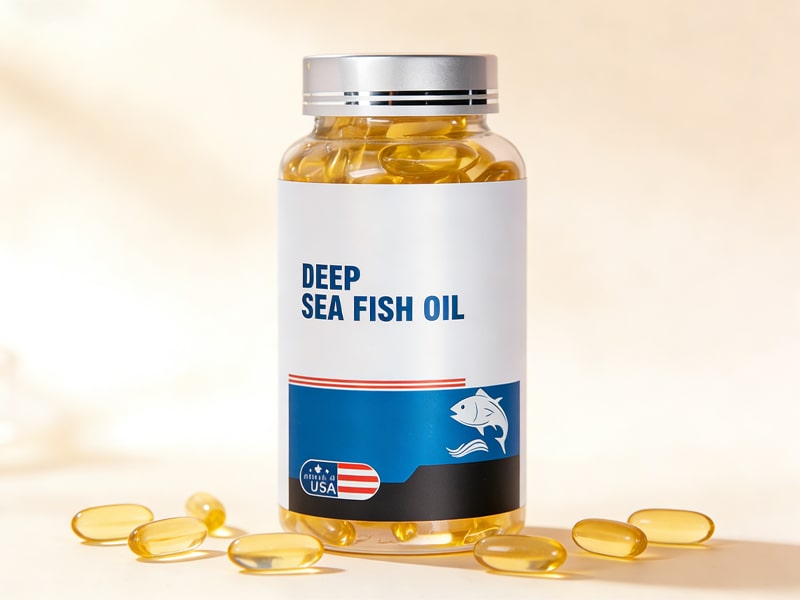
Omega-3 oils are delicate: they oxidize (go rancid) when exposed to heat, হালকা, বা বায়ু. আসলে, one review found over 10% of fish oil supplements on the market were rancid – some far exceeding international freshness limits. This applies to both capsules and liquids. তবে, there’s a twist: flavorings and coatings can mask oxidation. Capsules often have flavorings in the oil or an enteric coat, so you might not smell rancidity until you break one open. Liquids are transparent to the nose, so a truly rancid oil will taste awful (you’ll notice) – but some flavored liquids can also mask off-tastes.
সফটজেল ক্যাপসুল themselves offer one protective benefit: their sealed gelatin shell shields the oil from light and air, slowing oxidation. This means a well-made softgel can preserve freshness better than an open bottle of oil that’s repeatedly exposed to air. (On the flip side, once a bottle of liquid fish oil is opened, you have to be diligent with refrigeration and use-by dates.)
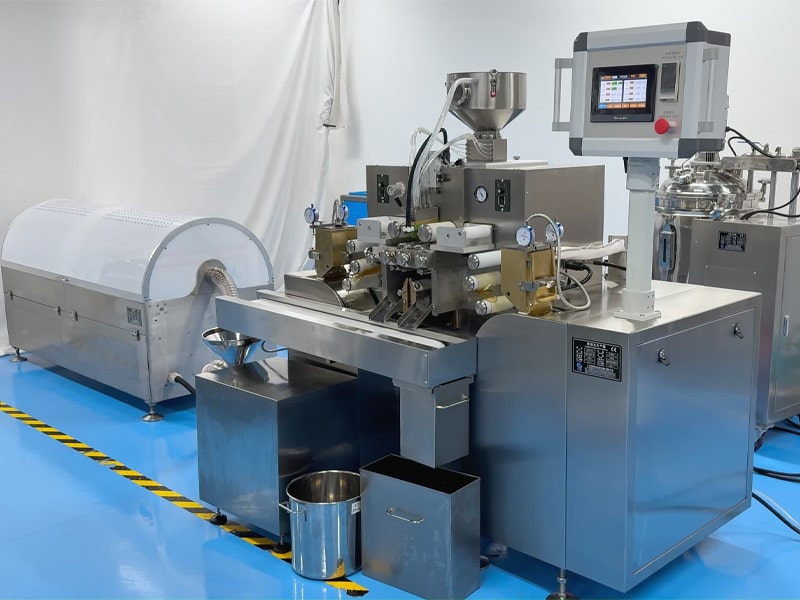
উৎপাদনের দিক থেকে, making capsules vs. liquid fish oil differs a lot – an important point for manufacturers or packaging engineers. Softgel capsules are produced by rotary-die encapsulation machines. These machines simultaneously form a gelatin shell and fill it with liquid oil. এই Softgel Capsule Filling Machine (rotary die machine) must be highly precise: তাপমাত্রা, আর্দ্রতা, and oil viscosity all need tight control. Softgel manufacturing is complex – it “requires precise temperature control, specialized rotary-die equipment, and rigorous drying protocols”. ভরাট করার পর, the softgels are dried and polished in large tumblers.
এর বিপরীতে, liquid fish oil is typically bottled or canned. Packaging machines simply fill bottles (with or without flavor additives) এবং তাদের সীলমোহর করুন. There is no need for a rotary encapsulator. তবে, liquids may require nitrogen flushing, UV-blocking bottles, or added antioxidants to ensure stability.
For an equipment supplier like our site (জিনলু প্যাকিং), this means: if a customer wants to produce fish oil softgels, they need our softgel encapsulation and filling machines. If they produce liquid, they use liquid filling lines. উভয় ক্ষেত্রেই, quality controls (যেমন. peroxide testing) সমালোচনামূলক.
সফটজেল ক্যাপসুল (Fish Oil Pills):
Liquid Fish Oil:
There is no one-size-fits-all answer. If maximum absorption and potency are your priority, liquid or emulsified fish oil generally has the advantage. If convenience, স্বাদ, and clean label are priorities, ক্যাপসুল (softgels) often win.
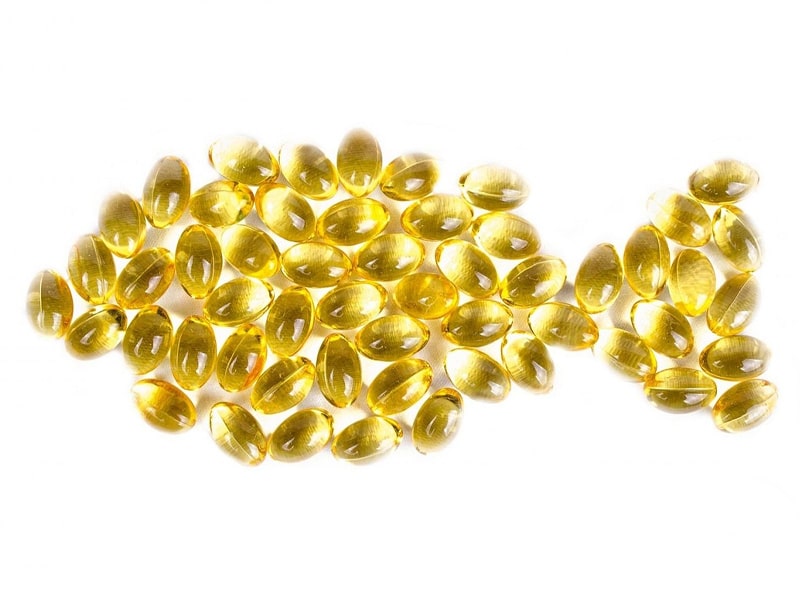
Both fish oil capsules (softgels) and liquid fish oil have their place. Capsules offer ease and stability; liquid offers flexibility and often better absorption. Scientific studies back both claims – e.g. liquids are better absorbed, but capsules can protect oils from oxidation. শেষ পর্যন্ত, choose based on dosage needs and consumer preference.
For those manufacturing these products, the right equipment is key. Packaging a top-quality fish oil supplement might mean using Softgel capsule filling machines for gelcaps or high-precision liquid filling lines for oils. By understanding the pros/cons of each form, companies can better serve industry buyers like procurement engineers and pharmaceutical clients.
A fish oil capsule is typically a softgel that encases purified fish oil, offering a fixed dose without a fishy taste. Liquid fish oil is bottled oil taken by spoon. Capsules hide smell and are convenient for daily use, while liquid forms may allow higher doses in a single serving and flexible intake. Capsules generally provide better oxidation protection due to the sealed shell, whereas liquids may oxidize faster once opened.
Liquid fish oil or emulsified forms can mix with digestive enzymes more quickly than softgel fish oil capsules, which need the gelatin shell to dissolve first. Some studies suggest liquid forms may be absorbed slightly faster and more efficiently, though modern capsule technologies narrow this gap.
Most fish oil capsule softgels are designed to mask taste and odor, so users experience minimal or no fishy aftertaste. That is one reason capsules are preferred by many consumers.
হ্যাঁ. Fish oil capsules are easier to swallow for many users and eliminate the need to measure doses or handle oil, making them more convenient for daily use and on-the-go routines.
Liquid fish oil often allows higher omega-3 EPA and DHA per teaspoon compared to a single softgel capsule, which typically delivers smaller amounts. সুতরাং, achieving high daily omega-3 intake may require multiple capsules.
Softgel capsules protect the oil from oxygen and light, reducing oxidation risk and helping maintain freshness longer than liquid fish oil once a bottle is opened.
Fish oil liquids are more prone to oxidation and often benefit from refrigeration after opening to extend freshness. Capsules still need cool, dry storage but are generally more stable at room temperature. Always follow the product label instructions.
Some users may experience mild side effects such as fishy breath, burps, or digestive discomfort when taking fish oil supplements. Very high doses may increase bleeding risk or interfere with certain medications, so consultation with a healthcare professional is advised for high-dose intake.
For most daily supplement routines, fish oil capsules are often preferred due to taste masking, ব্যবহারের সহজতা, সামঞ্জস্যপূর্ণ ডোজ, and broader consumer acceptance. Liquid oils can be suitable when very high dosages are desired or for users who prefer flexible dosing.
Omega-3 fatty acids in fish oil, including EPA and DHA, are widely used to support cardiovascular and cognitive health. তবে, the benefits depend on total daily intake and individual health needs. Both capsule and liquid forms can deliver these nutrients when used appropriately.
হ্যাঁ. Fish oil capsules are commonly produced using a Softgel Capsule Filling Machine, which ensures precise filling and sealed gelatin shells. This machinery is essential for large-scale softgel production and consistent product quality. (Refer to earlier article sections for equipment context.)
তথ্যসূত্র:
1.Enhanced Absorption of n-3 Fatty Acids from Emulsified Compared with Encapsulated Fish Oil - সায়েন্স ডাইরেক্ট
2.Comparative analysis of EPA and DHA in fish oil nutritional capsules by GC-MS - ন্যাশনাল লাইব্রেরি অফ মেডিসিন
3.The Quantitation of EPA and DHA in Fish Oil Dietary Supplements Sold in the United States – MDPI
4.The Lipid Quality of Commercial Fish Oil Supplements – Prensipjournals
5.Analysis of Omega-3 Fatty Acid Content in Fish Oil Products – National Library of Medicine