
When you hear المغذيات و المكملات الغذائية, it’s easy to think they’re the same. Both promise health perks beyond a normal diet. في الحقيقة, many companies market vitamins, مقتطفات العشبية or fortified foods as “nutraceuticals,” blurring the lines. Strictly speaking, لكن, المغذيات are a broad, informal category – essentially any nutrient or food-derived product with health benefits beyond basic nutrition. على النقيض من ذلك, المكملات الغذائية are a legally defined category (in markets like the US and EU) for specific products that “supplement the diet.” Under U.S. law (the Dietary Supplement Health and Education Act of 1994), أ dietary supplement must be intended to add nutrients to the diet and taken by mouth in pill, كبسولة, powder or liquid form.
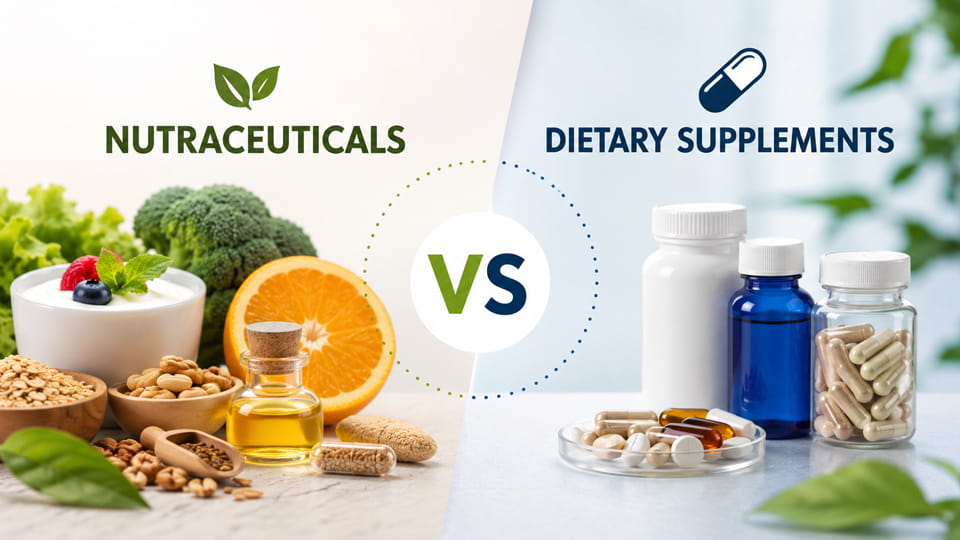
باختصار: Nutraceuticals is a broad, informal industry term, while dietary supplements are a legally defined product category in the United States. The two concepts overlap, but they are not interchangeable regulatory classifications. Let’s unpack the differences, look at the health فوائد of each, and give examples and manufacturing tips that packaging engineers and industry buyers care about.
المغذيات is a marketing-inspired term, not a strict FDA category. It’s commonly defined as any product from food sources that provides extra health or medical benefits, such as preventing or managing disease. The word blends “تَغذِيَة” and “الأدوية,” coined back in 1989 by Stephen DeFelice. Today it covers a wide spectrum. على سبيل المثال, fortified or functional foods (like calcium-fortified orange juice or plant-sterol spreads) can be considered nutraceuticals, as can concentrated extracts of phytochemicals (such as resveratrol or curcumin capsules). Even isolated ingredients – omega‑3 oils, probiotic cultures, amino acids – fall under the nutraceutical umbrella if promoted for health effects. الأهم من ذلك, nutraceuticals have no single legal definition internationally. How they’re regulated depends on the product form and country. في الولايات المتحدة, على سبيل المثال, a nutraceutical might be regulated as a dietary supplement, a food additive, or a “functional food” with specific claims. من الناحية العملية, think of nutraceuticals as the big-picture concept: foods or food ingredients used like medicine, aiming to boost wellness or prevent chronic conditions.
Nutraceuticals can be grouped by source or function. Four broad categories often cited are:
في الممارسة العملية, manufacturers often focus on capsules, tablets or powders for convenience. ال promise of nutraceuticals is broader: improving energy, heart health, digestion or anti-aging effects through natural bioactives. لكن, because they operate at the fuzzy border between food and medicine, claims must be carefully worded. A nutraceutical company might say “supports cardiovascular health” rather than “treats heart disease.”
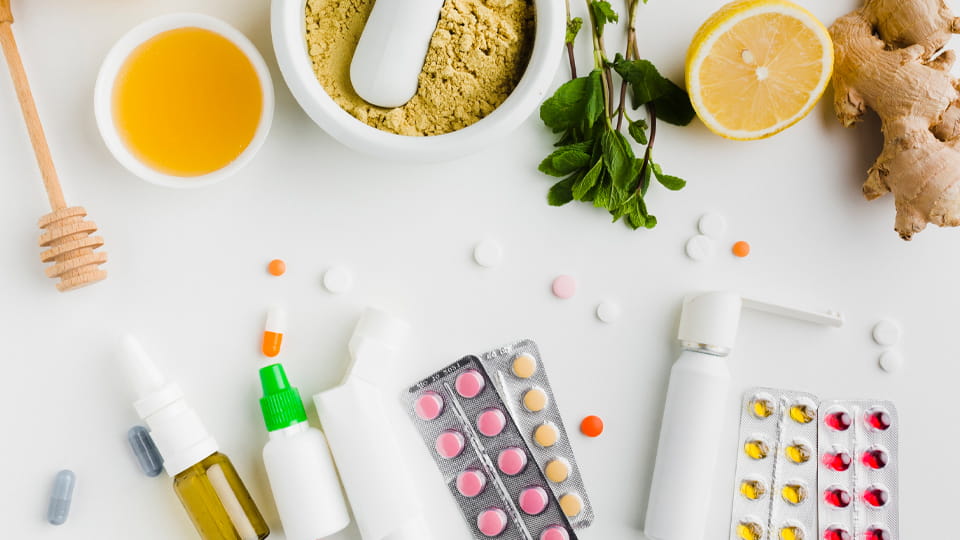
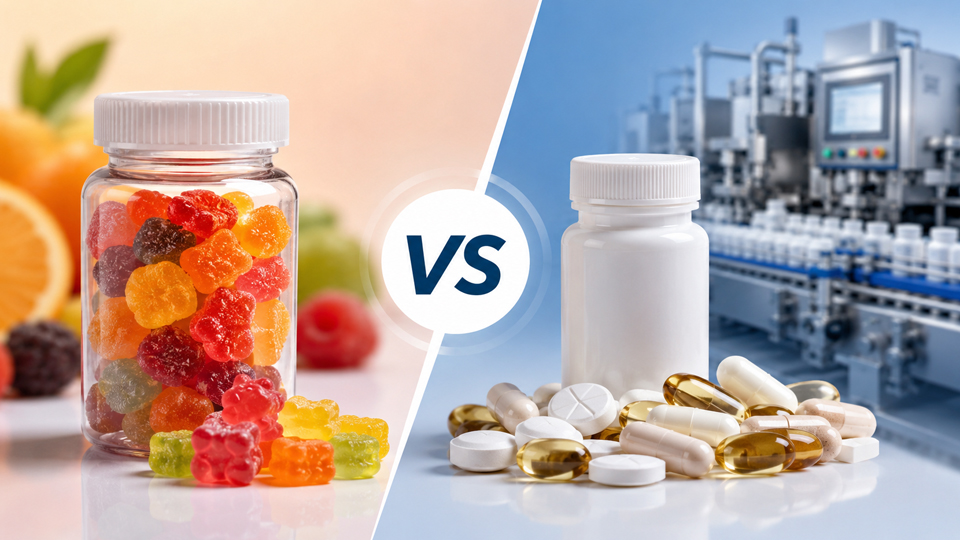
على النقيض من ذلك, المكملات الغذائية are a specific legal class of ingestible product. In the U.S. and many other markets, law defines them as products taken by mouth that contain one or more “dietary ingredients” intended to تكملة النظام الغذائي. These ingredients can be vitamins, المعادن, herbs or other botanicals, الأحماض الأمينية, الانزيمات, probiotics and more. Supplements come in a range of dosage forms - أقراص, كبسولات, كبسولات هلامية, السوائل, powders or even gummies and bars. الأهم من ذلك, by definition they are لا conventional foods or drugs. If a product is intended to diagnose, treat or cure disease, it falls under drug regulation – even if it looks like a supplement. بدلاً من, supplements are intended to fill nutritional gaps or support normal body functions. على سبيل المثال, vitamin D or calcium tablets help build bone health, and fiber supplements help maintain regular digestion.
تحت الولايات المتحدة. law (ديشيا 1994), dietary supplements do not require FDA pre-approval. بدلاً, companies must ensure safety and truthful labeling, following Good Manufacturing Practices (GMP) للمكملات الغذائية. Labels must include a “Supplement Facts” panel listing ingredients and serving sizes, and identify the product as a “dietary supplement.” Sellers can claim a supplement “supports” a structure or function (على سبيل المثال. “supports immune health”), but cannot claim to treat or cure a disease unless an FDA-reviewed health claim is approved. في الاتحاد الأوروبي, products with the same concept are known as “food supplements” and are regulated under the Food Supplement Directive; they must also be marketed in dose form (حبوب, كبسولات, إلخ.) and list permitted vitamins or minerals.
Typical dietary supplements include multivitamin/mineral tablets, single vitamins (like Vitamin C or D capsules), مقتطفات العشبية (إشنسا, green tea, كُركُم), fish oil or omega‑3 softgels, amino acid blends, probiotic capsules, and specialty blends (joint support formulas, pre-workout mixes, إلخ.). They are sold over the counter in pharmacies or health stores worldwide. Because they don’t undergo drug trials, manufacturers rely on published research for formulation. But whether a nutraceutical or a supplement, the goal for the user is similar: a convenient pill or powder to support nutrition and health.

At a glance, the key difference lies in how the two terms are defined and used. Dietary Supplements are a legally defined product category in markets such as the United States, while Nutraceuticals is a broader industry term without a universally accepted regulatory definition. Here are a few key contrasts:
الأهم من ذلك, the two terms do not have a fixed legal relationship. Dietary supplements are a separately defined product category in markets such as the United States, while nutraceuticals is a broader industry term that may be used to describe various nutrition-related products and ingredients. على سبيل المثال, a vitamin-enriched cereal is generally regulated as a conventional food rather than a dietary supplement in the U.S. باختصار, nutraceuticals describes a broad industry concept, whereas dietary supplements refer to a specific product category with defined regulatory requirements.
Because the two terms are often used interchangeably, it is important to understand that dietary supplements and nutraceuticals are not exactly the same. المكملات الغذائية are a defined product category under regulations such as the U.S. Dietary Supplement Health and Education Act (ديشيا), بينما المغذيات is a broader industry term without a universally accepted regulatory definition.
In commercial and scientific contexts, some dietary supplements, such as vitamin tablets, كبسولات عشبية, and omega-3 softgels, are also described as nutraceuticals because of their food-derived ingredients and intended nutritional or health-related benefits. لكن, the terms are not interchangeable. Products commonly associated with nutraceuticals may also be marketed as functional foods, fortified beverages, or other food-based products rather than dietary supplements. على سبيل المثال:
So the overlap is large, but the packaging/positioning matters. If a product is packaged as a pill or capsule and labeled a “supplement," then legally it’s a dietary supplement (in the U.S. على الأقل). If it’s an enriched food or beverage, it might be a nutraceutical under food law but not technically a supplement.
Both nutraceuticals and supplements aim to support health and prevent deficiencies, but the emphasis can differ. المكملات الغذائية are mainly used to ensure adequate intake of essential nutrients. على سبيل المثال, taking a الكالسيوم + فيتامين د tablet helps maintain strong bones, أو أ الفيتامينات helps cover daily micronutrient needs. Fiber supplements promote gut regularity, and iron or B12 supplements prevent anemia. في كل حالة, the benefit is restoring or maintaining normal nutrition.
المغذيات, على الجانب الآخر, often highlight additional benefits beyond basic nutrition. They might be formulated or marketed for specific wellness goals. على سبيل المثال:
وفقا للخبراء, nutraceuticals have been studied for benefits like improved antioxidant defenses, reduced risk of chronic disease, immune support, and even longevity. على سبيل المثال, clinical research on Omega-3 supplements shows modest cardiovascular benefits, and probiotics have documented effects on gut health. بالطبع, not every claim is strongly proven – consumers should be cautious and consult healthcare providers.
في ملخص, think of المكملات الغذائية as “dietary gap fillers” (الفيتامينات المتعددة, إلخ.) و المغذيات as “targeted health products” often focusing on a particular functional benefit. Both can boost wellness: supplements primarily cover basic nutrition (building blocks), while nutraceuticals often pitch an إضافي benefit (المستخلصات النباتية, fortifications, إلخ.).
Nutraceuticals and supplements come in all the familiar forms of oral products. The manufacturing and packaging needs depend on the form:
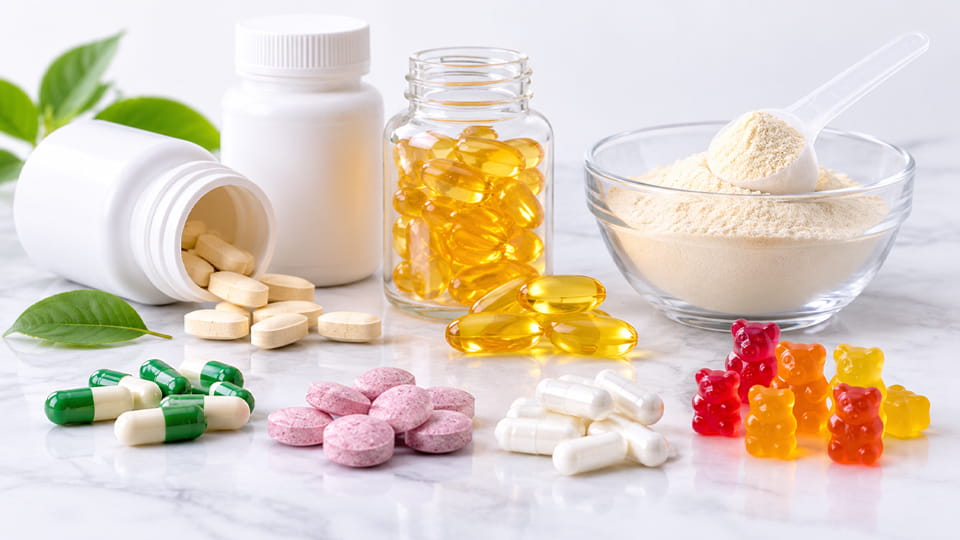
Here’s a visual of different supplement forms: from capsules to softgels and powders.
Whatever the form, the key is uniform dosing and quality. Solid forms (أقراص, كبسولات) require strict blend uniformity and compacting, لذا يضغط الكمبيوتر اللوحي و حشو كبسولة تستخدم. Softgels and gummies need mixing and molding equipment. No matter the form, all supplements must meet GMP standards: accurate weight, consistent fill, and cleanliness during packaging.
Whether you’re making a simple multivitamin or a botanical nutraceutical, the production process shares common steps:
طَوَال, strict hygiene is maintained. في الولايات المتحدة, supplement manufacturers must follow CGMP (ممارسات التصنيع الجيدة الحالية) similar to pharmaceuticals. That means using stainless steel equipment, avoiding cross-contamination, and documenting each batch.
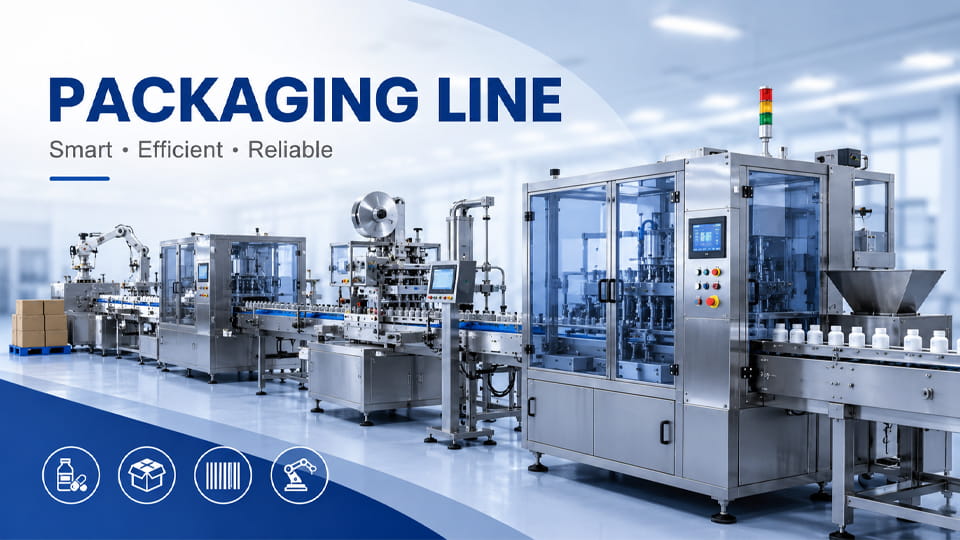
For a packaging engineer or operations manager, the takeaway is: Match your equipment to the product form. Automatic tablet counters, pill fillers, and cappers are staples for tablets and capsules. للعلكة, look for gummy-counting machines and specialized packaging lines. Powder sachets need form-fill-seal machines. Working with a supplier who offers خطوط تسليم المفتاح for nutraceuticals can simplify scaling up production.
Packaging isn’t just about putting pills in bottles – it’s about preserving quality and meeting regulations. Here are common solutions by product form:
[jl_youtube src=”https://www.youtube.com/embed/XnKB2iS-68Q”]
Packaging and counting machines in action: a supplement bottle being labeled on an automated line.
في جميع الحالات, packaging must support product stability (على سبيل المثال. moisture barriers for vitamins) and include compliance labels. على سبيل المثال, glass bottles or foil blister sheets protect sensitive contents. Engineers should choose materials that meet USP or industry standards and match fill speeds to capacity.
When equipping a nutraceutical or supplement line, think through these factors:
في الممارسة العملية, a solid solution might combine:
Consult vendors who specialize in nutraceutical equipment – they often have pre-engineered lines for supplements. Linking your processes (blender→filler→packer) will streamline operations and give you consistency.
في ملخص, المكملات الغذائية و المغذيات often overlap but are not identical. Supplements are a legally defined category of oral nutrient products, while nutraceuticals is an informal term encompassing supplements and other functional foods. Both aim to promote health – supplements by filling nutritional gaps, and nutraceuticals by delivering targeted health benefits (مضادات الأكسدة, البروبيوتيك, إلخ.). For manufacturers and packaging engineers, the key is to understand your product mix and select the right production and packaging equipment: عدادات الأقراص/الكبسولات, حشو كبسولة, آلات نفطة, sachet packers or gummy counters as needed. Quality control (الامتثال لممارسات التصنيع الجيدة, جرعات دقيقة) is essential for both supplements and nutraceuticals.
By choosing the appropriate machinery and packaging, you can efficiently produce vitamins, نباتات, oils or functional foods that meet market demands. If you’re exploring machines for your supplement or nutraceutical line – whether it’s tablet/capsule filling, التعبئة والتغليف غائر, sachet filling or blistering – we invite you to explore our equipment catalog. Our team specializes in turnkey packaging solutions for dietary products. اتصل بنا اليوم to discuss your project requirements and find the right machinery for your nutraceutical or supplement production line.
Nutraceutical safety depends on the ingredients, جرعة, جودة المنتج, and individual health conditions. Some products are suitable for regular use when taken as directed, but daily use should be evaluated carefully, especially for concentrated botanical extracts or high-dose ingredients.
نعم. Certain nutraceutical ingredients, including herbal extracts and high-dose vitamins, may affect how prescription medicines work or increase the risk of side effects. Consumers should consult a healthcare professional before combining supplements with medication.
لا. Natural ingredients are not automatically safer than synthetic ones. Safety depends on the substance itself, its concentration, نقاء, potential contaminants, والاستخدام المقصود.
Functional foods are generally consumed as part of a normal diet and provide additional nutritional or physiological benefits. Nutraceuticals is a broader industry term that can include functional foods, concentrated food-derived ingredients, والمكملات الغذائية.
Manufacturers should verify ingredient identity, نقاء, فعالية, and relevant contaminant levels before production. مؤهلات الموردين, certificates of analysis (شهادات توثيق البرامج), and appropriate laboratory testing help ensure that incoming materials meet specifications.
Common tests include identity testing, assay or potency testing, microbial testing, heavy metal analysis, moisture testing, and finished-product weight or content uniformity checks. The exact test program depends on the ingredients, شكل جرعة, and applicable regulations.
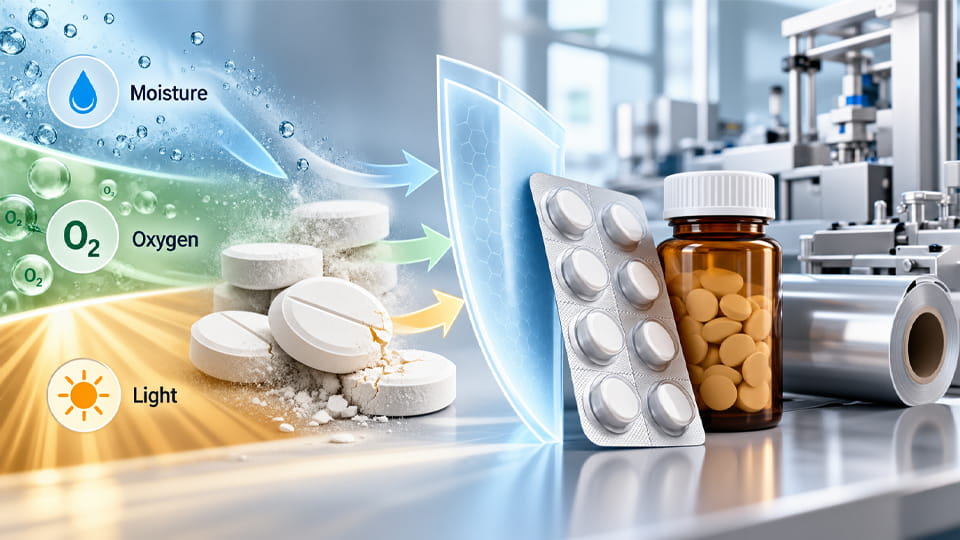
Shelf life can be affected by moisture, الأكسجين, ضوء, درجة حرارة, ingredient interactions, and packaging barrier properties. Stability testing under appropriate storage conditions helps manufacturers establish a suitable expiry date.
Storage conditions depend on the product formulation. Many tablets, كبسولات, and powders should be kept in tightly sealed packaging, away from excessive heat, رُطُوبَة, and direct sunlight. Products with specific storage requirements should follow their labeled instructions.
Moisture can cause powders to clump, tablets to soften or degrade, and moisture-sensitive ingredients to lose potency. Selecting suitable packaging materials, such as high-barrier bottles, desiccant systems, or foil-based blister packs, can help protect product quality.
Manufacturers should consider the product’s moisture and oxygen sensitivity, light protection requirements, شكل جرعة, shelf-life target, and packaging-line compatibility. The selected material should protect the product while supporting accurate filling, ختم, والإنتاج الفعال.
مراجع:
1.أسئلة وأجوبة عن المكملات الغذائية —— نحن. إدارة الغذاء والدواء
2.المكملات الغذائية: What You Need to KnowUK Government —— المعاهد الوطنية للصحة
3.دليل الامتثال في الكيانات الصغيرة: ممارسات التصنيع الجيدة الحالية في التصنيع, التغليف, وضع العلامات, or Holding Operations for Dietary Supplement —— ادارة الاغذية والعقاقير
4.CURRENT GOOD MANUFACTURING PRACTICE IN MANUFACTURING, PACKAGING, LABELING, OR HOLDING OPERATIONS FOR DIETARY SUPPLEMENTS —— 21 جزء CFR 111
5.Regulatory overview of health supplements —— Health Sciences Authority
6.Label Claims for Conventional Foods and Dietary Supplements —— ادارة الاغذية والعقاقير
7.Microbiological Attributes of Nonsterile Nutritional and Dietary Supplements —— USP – General Chapter 〈2023〉