
Paket blister are more than convenient packaging – they form tiny protective bubbles around each tablet or capsule. These packs create a sealed micro-environment that keeps out moisture, oksigen dan cahaya. nyatanya, as long as a blister remains unopened, the drug inside is usually considered stable until its printed expiration date. Manufacturers use rigorous drug stability studies under ideal conditions to set that date. Sebaliknya, once you “unseal the bubble,” the clock starts ticking – each dose loses that extra layer of protection.
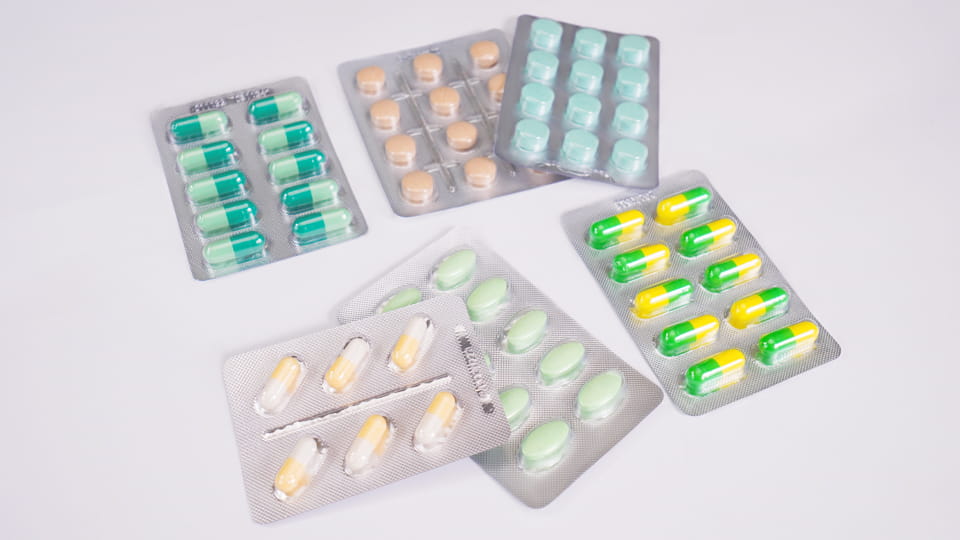
A common rule of thumb in pharmacies is the “72-hour rule” – try not to sit with pills out of their blister pack for more than three days. Pharmacists often advise patients to consume pills immediately after popping them out, or at most prepare a few days’ supply in advance. This advice comes from the fact that environmental exposure (udara, panas, kelembaban) accelerates degradation. Memang, one packaging guide notes that some tablets might stay safe for a few days to a few weeks after unpacking, depending on the drug’s chemistry. But exceptions depend on the medicine: very stable, non-hygroscopic drugs may last longer outside their pack, whereas moisture-loving (hidroskopis) drugs can lose potency much faster. Always follow the most cautious approach and stick to short horizons (misalnya. three days or a working week) after dispensing loose doses.
Once a tablet is out in the open, it’s vulnerable to everything the blister protected it from. Three major hazards dramatically shorten its useful life:
Each of these factors means the clock ticks much faster for an exposed tablet. One industry source bluntly states: once a pill is removed, “its degradation begins immediately”. Dalam praktiknya, this means the longer a tablet stays out of a blister, the less reliable its dose, which is why pharmacists limit how far ahead you should prepare loose pills.
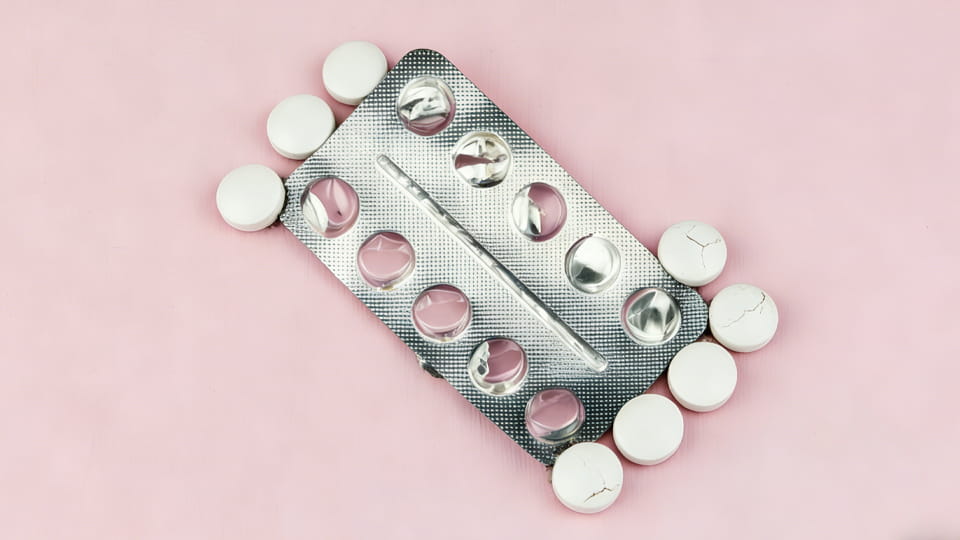
Pharmaceutical shelf life is scientifically defined as the time during which a drug retains at least 90% of its active ingredient potency. Drug makers determine this through stability studies in controlled labs – storing samples at specified humidity, suhu, and light conditions, then periodically testing them. The expiration date on a blister pack assumes those ideal conditions and an intact package.
Once a tablet is outside its blister, we usually don’t have formal stability data for the new environment. Berlaku, you are now in “real world” territory. Some studies on drug stability suggest that even unopened medications often retain over 90% potency long past expiration if stored perfectly – but that’s under sealed conditions. After opening, potency can drop unpredictably. Misalnya, one resource notes that high-humidity storage can cut a tablet’s effectiveness long before its expiry date.
Dalam ringkasan, the only guaranteed shelf life is for a sealed product. Once a pill is removed, it loses the protection that manufacturers used to set that shelf life. Even if the physical tablet looks fine, its actual drug content may have started to break down the moment it saw air. Dalam praktiknya, this means for each specific medicine, any stability beyond that point is a guess. To be safe, treat opened blister-dose medications as if they have a much shorter life (days or weeks) rather than months or years.
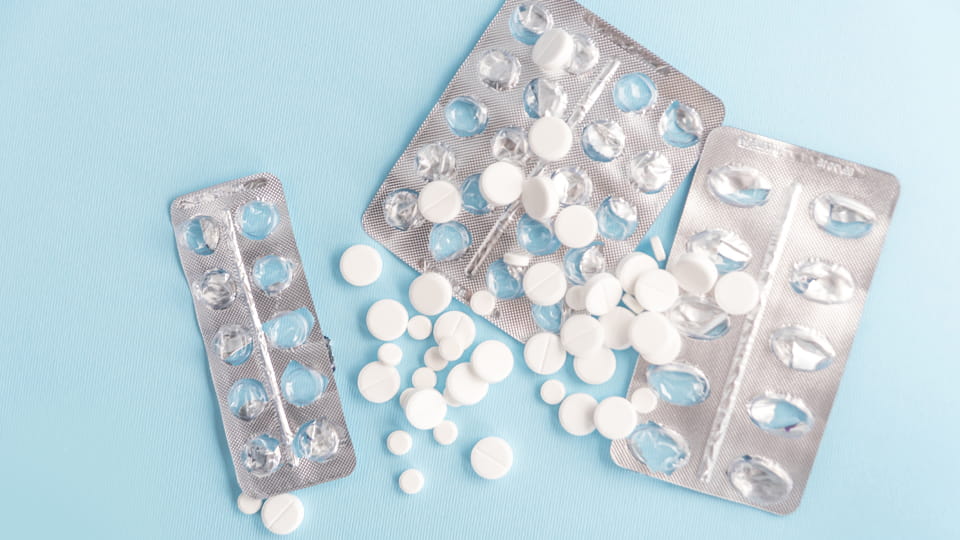
The blister line itself plays a crucial role in giving tablets their best shot at shelf life. Modern pharmaceutical blister packaging machines are highly specialized, GMP-compliant devices designed to form and seal packs with exceptional precision. A good blister machine will thermoform or cold-form cavities that match each tablet exactly, then hermetically seal the package so no air or moisture can creep in before the product even leaves the factory.
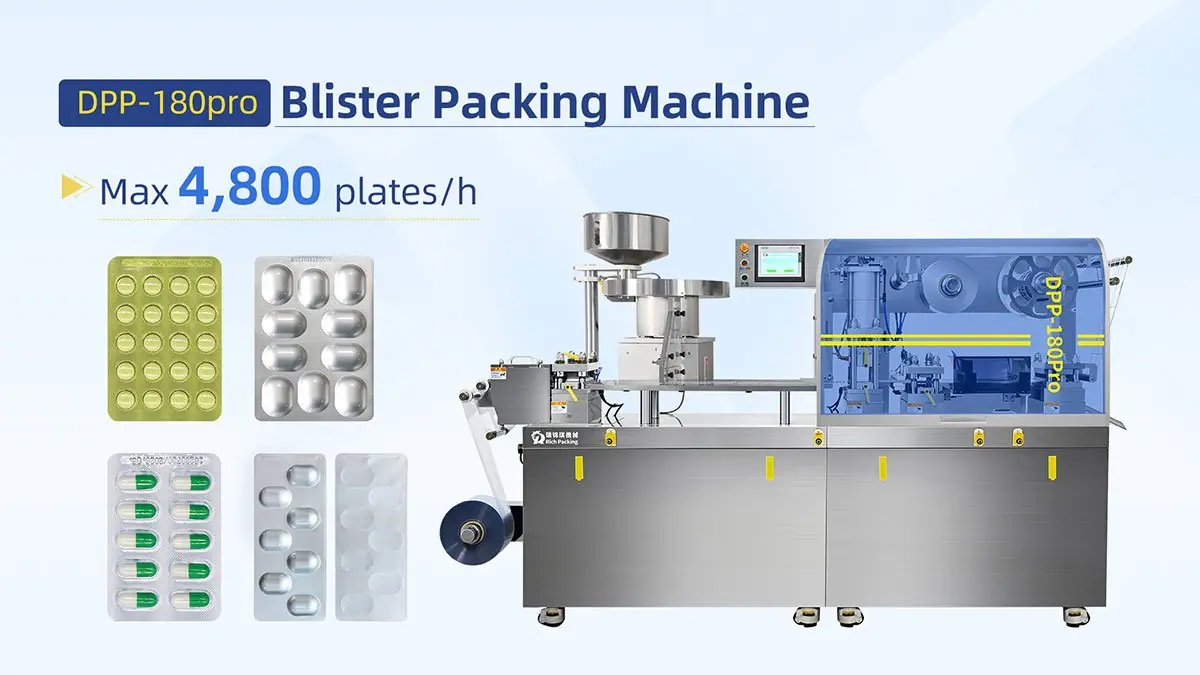
Top-tier blister machines create a truly airtight (hermetic) enclosure around each dose. Advanced equipment uses synchronized heat and pressure to bond plastic and foil layers seamlessly. As Jinlupacking’s experts note, high-precision blister packaging technology is what delivers “pharmaceutical-grade protection”. Dengan kata lain, the quality of the seal directly determines shelf life. A flawless seal means the tablet stays in the same controlled environment the lab tested; a weak seal means the barrier is already compromised. Inline leak-detection and vision systems on modern blister lines further ensure each pack is properly sealed and labeled before release.
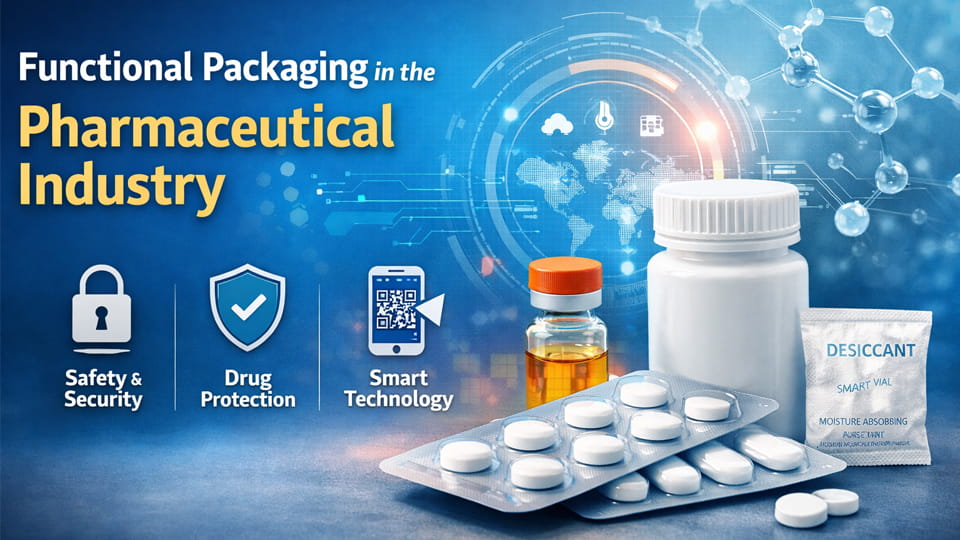
Not all drugs need the same bahan kemasan, and blister machines can be configured accordingly. For many tablets, a PVC or PVC/PVDC (polivinilidena klorida) forming film with an aluminum foil lid provides adequate protection. Namun, for moisture- and light-sensitive drugs, manufacturers often step up to high-barrier materials. Misalnya, applying a PVDC coating to PVC film can improve moisture resistance 5–10 times over plain PVC. Even more advanced, some lines use PCTFE films (brand name Aclar) for ultra-low moisture ingress. And for the ultimate barrier, cold-formed Alu-Alu blisters (aluminum foil for both cavity and lid) digunakan. Alu-Alu packs create an “impenetrable” metal vault around each tablet. They show virtually zero water vapor transmission, maintaining potency for far longer. Blister machines that can handle both thermoforming (PVC) Dan cold-forming (Alu-Alu) processes – like many offered by manufacturers on pharmaceutical packaging lines – allow the right choice of material for each drug’s needs.
Akhirnya, modern blister lines include strict quality controls at every step. Automated checkweighers, leak detectors, and fill-level cameras catch any defects immediately. Rejecting incomplete cavities or poorly-sealed blisters ensures that only 100% intact packages reach the pharmacy. All equipment is built to GMP standards, meaning it follows hygiene and validation protocols to prevent contamination. Pendeknya, by using high-grade blister machinery (like JinluPacking’s own lines), a company maximizes the initial shelf life that starts in the factory, even before the customer ever opens a pack.
With proper sealing and inspection on the packaging line, each tablet can enjoy its full designed shelf life until opened.
[jl_youtube src=”https://www.youtube.com/embed/1Bb_J6rluac”]
Blister Packing and Cartoning Machine Line
Given all the above, what should users actually do? For healthcare professionals advising patients: emphasize that preparing pills in advance carries risk. Idealnya, each tablet should be taken straight from its blister into the mouth without lingering outside. If patients must use pill organizers or dosette boxes, instruct them to transfer only a few days’ worth at a time. Always store loose doses in a dry, dark place, away from heat or bathroom humidity – just like it was in the pharmacy (but remember, it’s still worse than the original blister).
For pharmacists and pharmacy technicians: minimize removing tablets from blisters except when dispensing. When organizing doses, consider keeping tablets in their foil blisters until the very last minute. Counsel patients about the “shelf life penalty” for open pills: tell them not to assume a popped tablet is good indefinitely. If a pill does fall out or break, advise discarding it rather than risking use. Intinya, prevention is better than cure – the best way to ensure potency is to avoid exposing tablets to air and moisture at all.
Tablets in an organizer or careless handling won’t have the same protection as a sealed blister. Encourage patients to only load what they will use in the next 48–72 hours for safety.
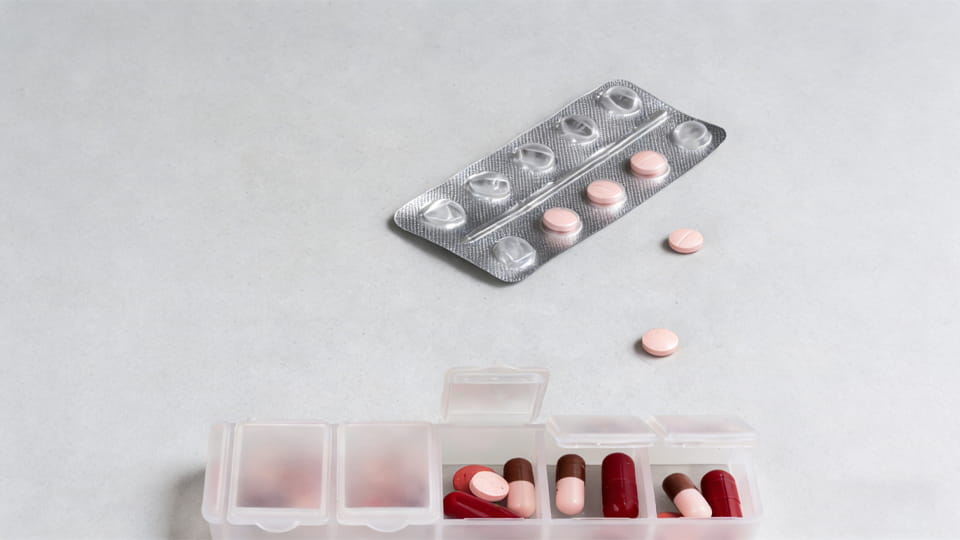
Pendeknya, tablets left out of their blister packs quickly begin to lose the very stability the packaging was designed to protect. Blister packs act as tiny protective fortresses against humidity, oksigen, dan kontaminasi. Once that fortress is opened, the tablet’s clock starts ticking. By understanding this risk, drug manufacturers design machines and materials to maximize pharmaceutical shelf life from the outset, and pharmacists/pharma customers can manage tablet handling wisely. Di penghujung hari, it’s far better to keep pills sealed until needed than to try salvaging them later.
Interested in how high-barrier blister solutions can improve your product’s stability? Our engineering team is ready to consult on GMP-compliant blister packaging equipment (including PVC/PVDC and Alu-Alu lines) that extend shelf life. Hubungi kami to learn how JinluPacking’s packaging lines and blister machines can help keep your medications protected from the start.
Dalam kebanyakan kasus, tablets removed from blister packs should be used within a short period—often a few days to several weeks, depending on the formulation and storage conditions. Exposure to humidity, oksigen, and light can quickly reduce drug stability and potency.
Blister packs create a sealed cavity that protects each tablet from moisture, oksigen, lampu, and physical contamination. This protective environment helps maintain drug stability until the printed expiration date.
Ya. The manufacturer’s expiration date assumes the drug remains inside its original packaging. Once removed, environmental exposure accelerates chemical degradation, which can shorten the practical shelf life significantly.
Several factors can accelerate degradation:
• Humidity – causes tablets to soften or chemically break down
• Heat – speeds up chemical reactions
• Light exposure – can damage photosensitive drugs
• Oxygen – contributes to oxidation of active ingredients
These conditions are exactly what blister packaging is designed to prevent.
Ya, but only for short periods. Most pharmacists recommend filling pill organizers with only a few days to one week of medication to minimize exposure to environmental factors.
TIDAK. Tablet stability varies depending on formulation.
• Film-coated tablets often resist moisture better.
• Hygroscopic drugs degrade faster in humid environments.
• Light-sensitive drugs require opaque or foil packaging.
Karena itu, drug stability studies are needed to determine exact shelf life.
Most tablets stored in sealed blister packs maintain their pharmaceutical shelf life for 2–5 years, depending on stability data and packaging design.
Different blister materials offer varying levels of protection:
• PVC blister film – standard protection
• PVC/PVDC blister material – improved moisture barrier
• Alu-Alu blister packaging – extremely high barrier against moisture, oksigen, dan cahaya
High-barrier materials are commonly used for moisture-sensitive pharmaceuticals.
If tablets show softening, perubahan warna, retak, or unusual odor, they should not be used. Moisture exposure can degrade active ingredients and reduce therapeutic effectiveness.
Modern blister packaging machines ensure long drug stability by:
• creating hermetic seals
• using high-barrier materials
• performing inline quality inspection
• meeting GMP compliant packaging equipment standards
A well-designed pharmaceutical packaging line helps preserve product integrity before the blister pack is opened.
Referensi:
1.Stability Testing of Active Pharmaceutical Ingredients and Finished Pharmaceutical Products – WHO Technical Report Series No.1010
2.Stability Testing of New Drug Substances and Products – ICH Q1A(R2)
3.Pemodelan Prediktif Stabilitas Produk Obat dalam Kemasan Blister Farmasi – Pharmaceutics (MDPI)
4.Stability Assessment of Hygroscopic Medications in One-Dose Packaging – Scientific Reports (Nature Publishing Group)