
The दवा उद्योग एक शांत क्रांति से गुजर रहा है. पारंपरिक बैच उत्पादन दिन-रात चलने वाली निरंतर उत्पादन प्रणालियों का मार्ग प्रशस्त कर रहा है, प्रारंभ से अंत तक सामग्री को निर्बाध रूप से ले जाना. एक सतत सेटअप में, प्रक्रियाएँ बिना किसी रुकावट के एक के बाद एक घटित होती रहती हैं. इसका मतलब है कि कच्ची सामग्रियां अंदर आती हैं और तैयार खुराक फॉर्म एक ही बार में बाहर निकल जाते हैं, अखंड रेखा. निरंतर विनिर्माण का वादा बहुत बड़ा है: तेज़ थ्रूपुट, अधिक सुसंगत गुणवत्ता, और बैच विधियों की तुलना में काफी कम डाउनटाइम.
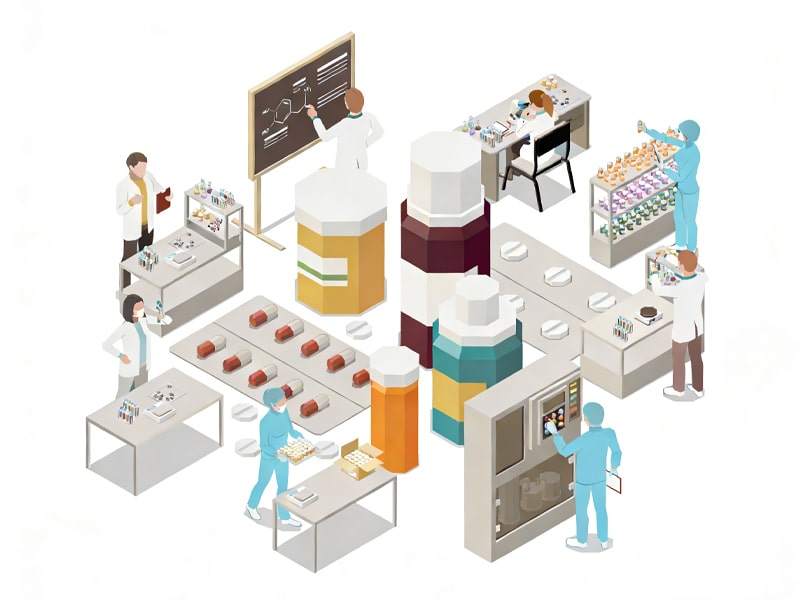
निरंतर विनिर्माण (कभी-कभी इसे सतत प्रसंस्करण भी कहा जाता है) एक उत्पादन विधि है जहां कच्चे माल जुड़े इकाई संचालन की एक श्रृंखला के माध्यम से लगातार प्रवाहित होते हैं. बैच मोड के विपरीत - जो चरणों में सामग्री की एक निश्चित मात्रा को संसाधित करता है, चरणों के बीच रुकना - एक सतत रेखा कभी नहीं रुकती. एक उद्योग गाइड इसे एक ऐसी प्रक्रिया के रूप में परिभाषित करता है जहां सामग्री "कुछ बदलावों के साथ बड़ी मात्रा में उत्पादों के निर्माण के लिए बिना रुके कई चरणों से गुजरती है". अनिवार्य रूप से, एक सतत उत्पादन प्रणाली संयोजित होती है मिक्सर, रिएक्टर, ड्रायर, टैबलेट प्रेस, पैकेजिंग मशीनें, वगैरह।, एक एकीकृत अनुक्रम में. क्योंकि लाइन कभी नहीं रुकती, जब तक कच्चा माल डाला जाता है तब तक उत्पादन प्रवाहित होता रहता है. अक्सर इसका मतलब होता है 24/7 लाइन का प्रबंधन करने वाले प्रशिक्षित ऑपरेटरों की शिफ्ट के साथ संचालन. तैयार खुराक अनिवार्य रूप से एक सतत प्रवाह में निर्मित होती है, अलग-अलग बैचों के बजाय.
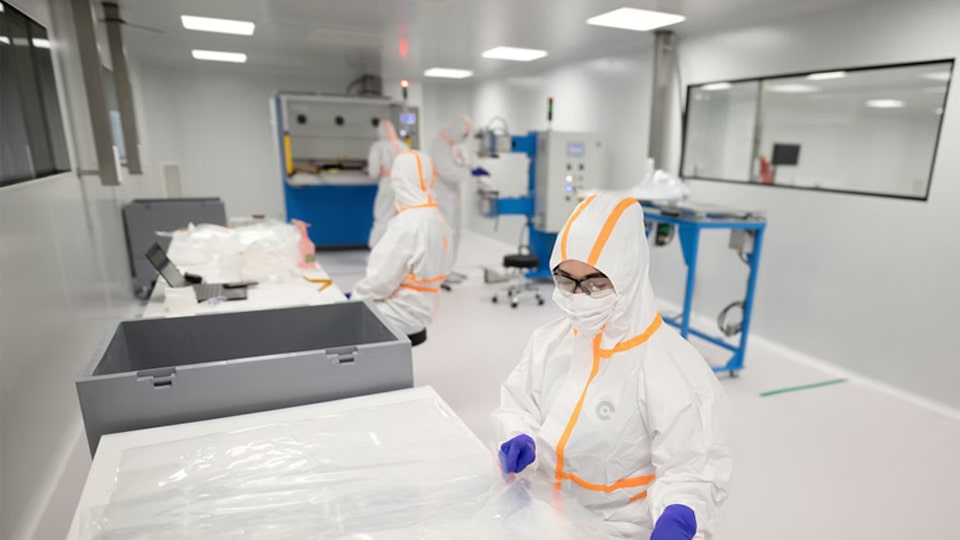
आकृति: फार्मास्युटिकल क्लीनरूम के अंदर सुरक्षात्मक सूट पहने कर्मचारी, आधुनिक उत्पादन के नियंत्रित वातावरण का चित्रण. गुणवत्ता बनाए रखने के लिए निरंतर उत्पादन लाइनें अक्सर कड़ाई से विनियमित स्वच्छ क्षेत्रों में संचालित होती हैं.
निरंतर संचालन "बैच" की अवधारणा को भी बदल देता है। एक सतत पौधे में, एक बैच को समय या कुल आउटपुट द्वारा परिभाषित किया जा सकता है. उदाहरण के लिए, एक बैच में "उत्पादित हर चीज़" हो सकती है 24 एक निश्चित मात्रा के बजाय घंटे”. इस लचीलेपन का मतलब है कि एक निर्माता लाइन को लंबी या छोटी चलाकर आसानी से उत्पादन बढ़ा या घटा सकता है. बड़े बैच को बढ़ाने की कोई आवश्यकता नहीं है; लाइन अधिक उत्पाद के लिए चलती रहती है या काम पूरा होने पर रुक जाती है.
कई कारक दवा कंपनियों को निरंतर विनिर्माण की ओर प्रेरित कर रहे हैं. आधुनिक चिकित्सा उच्च गुणवत्ता की मांग करती है, तेजी से वितरण, और लागत दक्षता - ये सभी निरंतर दृष्टिकोण प्राप्त करने में मदद कर सकते हैं. प्रमुख लाभों में शामिल हैं:
राशि में, सतत विनिर्माण का लक्ष्य आपूर्ति श्रृंखला को आधुनिक बनाना है, विनिर्माण प्रक्रिया की मजबूती को बढ़ाएं और इस प्रकार उत्पाद विफलताओं को कम करें और उत्पाद की गुणवत्ता में वृद्धि करें।. शुरुआती अपनाने वाले तेजी से बाजार में पहुंचने और उच्च उपकरण उपयोग की रिपोर्ट करते हैं. यह प्लांट फ्लोर का एक शक्तिशाली आधुनिकीकरण है जो उत्पादन को चालू रखता है.
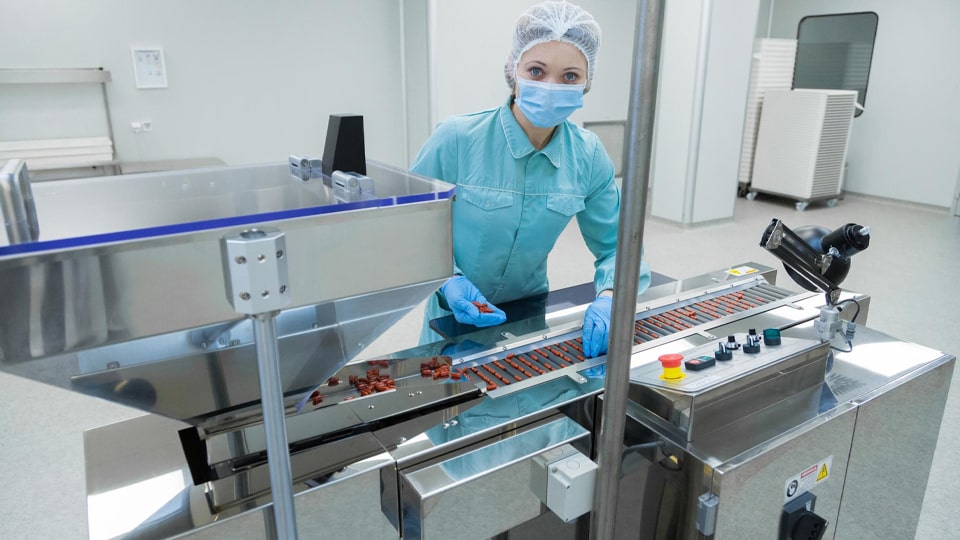
आकृति: फार्मास्युटिकल उत्पादन क्षेत्र में काम करने वाले ऑपरेटर. आधुनिक निरंतर उत्पादन लाइनें प्रक्रियाओं को आपस में जोड़ सकती हैं (मिश्रण, दानेदार, भरना, वगैरह।) निर्बाध विनिर्माण के लिए.
वैश्विक नियामक निरंतर उत्पादन को एक प्रमुख नवाचार के रूप में पहचानते हैं. वे इसका समर्थन करने के लिए नए दिशानिर्देश जारी कर रहे हैं. उदाहरण के लिए, FDA ने मार्च में निरंतर विनिर्माण पर अपने ICH Q13 मार्गदर्शन को अंतिम रूप दिया 2023. यह आधिकारिक दस्तावेज़ “निरंतर विनिर्माण पर स्पष्टीकरण प्रदान करता है (सेमी) अवधारणाएँ" और निरंतर दवा उत्पादन के लिए विशिष्ट वैज्ञानिक और नियामक विचारों का विवरण. वैसे ही, यूरोपीय औषधि एजेंसी (ईएमए) सह-लेखक I Q13 (में अंतिम रूप दिया गया 2022) और इन दिशानिर्देशों को अपना लिया है.
विश्व स्वास्थ्य संगठन (कौन) ने वैश्विक रूपरेखा तय करने के लिए एक दिशानिर्देश का मसौदा भी तैयार किया है. WHO का दस्तावेज़ स्पष्ट रूप से निरंतर उत्पादन को परिभाषित करता है, इसकी दक्षता और गुणवत्ता संबंधी लाभों पर प्रकाश डालता है, और वास्तविक समय की निगरानी और गतिशील सत्यापन जैसी अच्छी प्रथाएँ प्रस्तुत करता है. यह लचीले कार्यान्वयन पर भी जोर देता है: डब्ल्यूएचओ मार्गदर्शन व्यापक रूप से अनुकूलनीय सिफारिशों की आवश्यकता पर जोर देता है जिन्हें विभिन्न संसाधनों वाले देश लागू कर सकते हैं.
संक्षेप में, निरंतर दृष्टिकोणों को वैध बनाने के लिए दुनिया भर की एजेंसियां एक साथ आगे बढ़ रही हैं. (अभी तक, गोद लेने की प्रक्रिया मामूली रही है - निरंतर प्रक्रियाओं के माध्यम से बनाए गए केवल सात फार्मास्युटिकल उत्पादों को दुनिया भर में मंजूरी दी गई थी 2015 और 2022 - लेकिन प्रौद्योगिकी और मार्गदर्शन में सुधार के साथ यह तेजी से बदल रहा है।) संदेश स्पष्ट है: निरंतर विनिर्माण अब केवल प्रयोगात्मक नहीं रह गया है. यह अगली पीढ़ी की फार्मा उत्पादन योजना के केंद्र में है.
निरंतर विनिर्माण में परिवर्तन के लिए निवेश और योजना की आवश्यकता होती है. महत्वपूर्ण विचार शामिल हैं:
Despite these hurdles, many in the industry view continuous as an essential evolution. Recent supply chain disruptions have shown the value of flexible, high-throughput manufacturing. The recommended approach is to start small (उदाहरण के लिए:. pilot runs) and build expertise over time.
Imagine a continuous tablet line in a modern plant. Powder is mixed in a hopper, दानेदार, and dried, all in one continuous flow. The granules feed directly to a tablet press without pause. Each tablet then travels on a conveyor to coating or inspection stations in real time. अंत में, tablets go straight to packaging – blister packs or bottles – without human handling. In such a setup, modern equipment keeps pace. उदाहरण के लिए, high-speed cartoning machines can pack up to 450 प्रति मिनट कार्टन, matching the flow of tablets coming off the line.
In a fully integrated continuous line, as soon as a tablet exits the press it might be weighed by a sensor; if it’s off-spec, the machine can adjust parameters immediately or divert that piece. This real-time feedback prevents large rejects. Major companies (उदाहरण के लिए:. Johnson & Johnson, Pfizer, Novartis, and many generics) are already piloting integrated continuous plants for oral solids. The common theme is end-to-end automation with minimal manual transfer. The more equipment you chain together, the more pronounced the benefits.
If you manage a manufacturing facility, consider how to evolve your plant. Here are some steps and tips:
Many plants initially run hybrid setups (some batch steps, some continuous). अधिक समय तक, successful factories expand their continuous segments. The key is to begin planning now. By taking these steps, your facility can be among the leaders ready for “next-generation” pharma manufacturing.
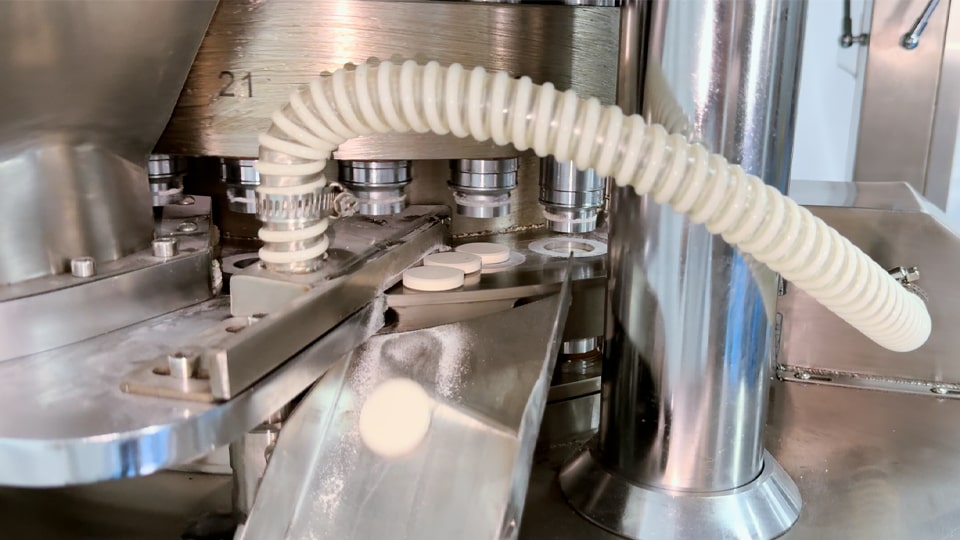
आकृति: Tablets flowing from a continuous tablet press hopper. In continuous manufacturing, each unit follows directly to the next operation, minimizing downtime and maintaining flow.
Continuous production is at the heart of next-generation pharmaceutical manufacturing. Its advantages – higher throughput, superior consistency, and greater agility – align perfectly with industry needs. Adopting continuous manufacturing requires investment and planning, but forward-looking plants are already reaping the rewards. If your facility can bring together continuous mixers, दानेदार, टैबलेट प्रेस, and packaging machines into one flow, you’ll be poised to meet future pharma challenges. The time to start is now: begin exploring continuous solutions so your factory is ready for tomorrow’s opportunities.

आकृति: A packaged pharmaceutical product. Continuous production lines aim to feed directly into packaging (bottling, blistering, कार्टनिंग) without interruption, keeping output steady and efficient.
Continuous production, also called continuous manufacturing or continuous processing, refers to a production method where raw materials are fed into the system and processed continuously without interruption. It contrasts with traditional batch production, which processes fixed quantities in separate stages with pauses between steps. Continuous production aims for high throughput, steady operations, and fewer quality fluctuations.
In batch manufacturing, production occurs in discrete sets (batches), with stops between stages. Continuous manufacturing links unit operations (मिश्रण, दानेदार, दबा देना, पैकेजिंग, वगैरह।) into a seamless, uninterrupted sequence. This leads to less downtime, कम मानवीय हस्तक्षेप, and more consistent output quality.
Key benefits include higher productivity, reduced production costs, improved product consistency and quality, decreased waste, and shorter time-to-market. Continuous manufacturing systems also allow real-time quality monitoring and adjustments, leading to fewer rejects and greater operational efficiency.
Regulators such as the FDA, ईएमए, and ICH are supporting continuous manufacturing because it aligns with modern quality principles such as Quality by Design (क्यूबीडी) and Process Analytical Technology (थपथपाना). Official guidelines like ICH Q13 provide a regulatory framework for adoption and evaluation of continuous processes.
हाँ. Because continuous lines operate without stopping between steps, they significantly reduce downtime and energy use per unit of output. This can lower labor and utility costs, shrink facility footprint, and improve overall equipment productivity over batch systems.
Oral solid dose forms like tablets and capsules are currently the most mature applications for continuous manufacturing. तथापि, continuous processes are also being explored in biopharmaceuticals and biologics, including monoclonal antibodies and cell therapies.
Challenges include high initial investment in new equipment, sophisticated automation and control systems, extensive operator training, complex product changeovers, and detailed validation for regulatory compliance. Solid planning and phased implementation help address these challenges.
Continuous production often integrates PAT tools and inline sensors that monitor critical attributes in real time. These tools allow immediate adjustments and ensure consistent quality throughout the process rather than relying only on end-of-line testing.
हाँ. Modern continuous systems can be modular and scalable, allowing smaller facilities to adopt them without huge capital expenditure. Modular designs also make implementation faster and more flexible for localized production.
A factory should assess which products are suitable, plan incremental pilot stages, upgrade automation and PAT systems, train staff, update quality and validation strategies, and collaborate with equipment suppliers experienced in continuous lines. Starting with a pilot project helps build expertise before scaling up.
संदर्भ:
1.Q13 Continuous Manufacturing of Drug Substances and Drug Products – U.S.Food and Drug Administration
2.Continuous manufacturing in pharma: Risks, rewards and getting started – pharmamanufacturing.com
3.Continuous pharmaceutical manufacturing and its contemporary regulatory insights – SPRINGER NATURE
4.Continuous Manufacturing of Recombinant Drugs: Comprehensive Analysis – SPRINGER NATURE