
Pack bâton ou sachet: Le guide ultime des principales différences
Découvrez les principales différences entre les emballages en stick pack et en sachet. Découvrez leur conception, production

Primary packaging is the first line of defense for medications – the material that directly touches tablets and capsules. A drug’s immediate environment is critical to its safety and efficacy. In this context, machines à cloques (or blister packing machines) play a vital role in pharmaceutical manufacturing. These machines form individual pockets (clochards) from plastic film, insert pills or tablets, and seal them with foil or laminate. The result is a compact blister pack, a unit-dose package that protects each pill until use (see image below). Blister machines quietly ensure drugs stay safe from moisture, oxygène, and tampering – truly unsung heroes of primary packaging.

Blister packs of pills and capsules produced by a blister packing machine. Each cavity holds a single dose, sealed for protection.
Primary packaging (like blister packs, flacons, or tubes) must protect the drug from contaminants (humidité, oxygène, lumière, microbes) and preserve its stability. It also ensures accurate dosing and provides tamper evidence to guarantee patient safety. En tant que tel, blister packs are more than simple containers; they are an integral part of the medicine itself. A blister machine automates this packaging: it thermoforms cavities from plastic film, fills them with tablets or capsules, then applies a heat-sealed foil lid. This precise, filling-and-sealing process creates one pill per pocket, which greatly improves dosage accuracy and shelf life.
UN machine d'emballage sous blister is essentially a specialized automated line. The process typically follows these steps (see bullets):
This fully automated sequence is orchestrated by PLCs and HMIs, with modern systems incorporating robotics, Connectivité IoT, and vision inspection. The result is a consistent, sterile package for each dose.
Key Equipment: Common blister machine types include rotary systems (continuous drum forming for high output) and flat-die systems (discrete forming with high detail). Each has trade-offs in speed, flexibilité, and validation ease. Manufacturers select the style based on dosage form and production scale.
[jl_youtube src=”https://www.youtube.com/embed/S4ALUPXevEY?si=qsuBbySyxmtuL20m”]
Blister packaging offers many advantages for pharmaceuticals. In bullet form, its primary benefits include:
These advantages make blister packs a pharmaceutical favorite. They are not just containers but active participants in product safety. By sealing each tablet or capsule until use, they keep unused doses from environmental stress and prevent cross-contamination. In fact, removing a pill from its blister prematurely has been shown to accelerate degradation, underscoring why blistered protection is so important.
Blister packaging is everywhere in the drug world. Its unit-dose format fits many applications:
Blister packs for tablets and capsules. Each unit is individually sealed, ensuring dose accuracy and protection.
Oral thin film strips (par exemple. dissolvable drug strips) blister-packed for moisture protection. Blister packaging preserves the integrity of fast-dissolving dosage forms.
Transdermal patches (like nicotine or pain relief patches) in blister packaging. The sealed blister preserves patch adhesion and drug stability.
Special-format blister pack containing a pre-filled syringe and accessories. Blisters can be engineered for safety and ease-of-use in injectable drug delivery.
Dans l'ensemble, blister packaging’s flexibility has expanded with patient-centric therapies. As the industry moves toward self-administered, on-demand dosage forms, blister machines adapt by forming custom cavities for novel products.
Modern blister machines incorporate advanced automation and Industry 4.0 features. Key trends include:
When choosing a blister machine, manufacturers consider several factors:
In pharmaceutical industry discussions, vitesse, fiabilité, and after-sales support are critical. Leading suppliers like Jinlu Packing (DPP series) offer machines up to 4,800 assiettes/heure, with servo controls for precision and quick tooling change. High-end systems even allow 100+ cavities per row for complex blister cards.

Pharmaceutical packaging must meet strict global standards. In the U.S., the FDA’s 21 CFR 211 imposes cGMP requirements on packaging lines. This includes environmental controls, preuve de sabotage, and traceability. Blister materials and inks must comply with USP and FDA regulations for safety. Similarly, EU Annex 15 and guidelines demand rigorous validation of blister processes. Par exemple, every new blister line must be IQ/OQ/PQ validated for performance (temperature, sealing force, etc.).
Quality assurance on blister machines involves leak and integrity testing. Common methods include vacuum decay, dye ingress, and bubble emission tests to detect micro-leaks in sealed packs. Barrier properties of films are measured via WVTR (humidité) and OTR (oxygène) tests. Each batch of film and foil must be traceable by lot, and machines often record sensor data for audit. These steps ensure each blister pack leaving the machine meets safety standards.
By adhering to these regulations and implementing inline QA (like vision inspection), blister packaging helps pharmaceutical companies prevent recalls and protect patients. The end result is medicine that is as effective at point-of-care as when it was made.
En résumé, blister machines are unsung heroes because they handle the critical step of primary packaging in the pharma supply chain. They ensure drugs remain potent and tamper-proof from factory to patient. Each blisters’ combination of material science (high-barrier films) and precise engineering (filling/sealing) addresses the toughest packaging challenges in pharma.
Pour les fabricants, investing in a high-quality blister packing machine means superior product protection, regulatory peace of mind, and satisfied end-users. These machines may work quietly in the background, but their impact on patient safety and product integrity is immense. When paired with quality upstream processes (like accurate tablet presses), blister packaging forms a robust chain of quality. Autrement dit, behind every bottle of pills or calendar pack is a blister machine that made it possible – truly a pillar of pharmaceutical primary packaging.
A blister machine (also called a blister packing machine) is an automated equipment that thermoforms cavities in plastic film, les remplit de comprimés, gélules, oral thin films or patches, and then seals them with lidding foil or laminate. Dans l'industrie pharmaceutique, it is used for primary packaging because it provides individual dose protection, tamper evidence, barrier to moisture and oxygen, and supports regulatory compliance and traceability.
• Thermoform blister uses heated plastics (par exemple. PVC, PVDC-laminates) which are softened and vacuum/pressure-formed into cavities; then sealed with foil. It allows visual inspection of pills and generally higher throughput.
• Cold-form (De tout le temps) uses laminated foil (aluminum-based) pressed without heat into cavities, producing an opaque blister with excellent barrier properties. It’s used for highly moisture/light-sensitive drugs.
Choosing between them depends on the drug’s sensitivity, desired barrier performance, and regulatory demands.
The key advantages include:
• High protection from moisture, oxygène, lumière, et contaminants
• Tamper evidence (each cavity is sealed individually)
• Accurate unit-dose dispensing (each pill is separated)
• Operational efficiency (automated continuous lines)
Branding and labeling flexibility (impression, embossing, coding)
These benefits make blister packaging a preferred choice for many pharmaceutical products.
Blister machines can package a wide variety of dosage forms, tel que:
• Tablets and capsules (the most common use)
• Oral thin films or strips (moisture-sensitive dissolvable strips)
• Transdermal patches (par exemple. hormone, pain relief patches)
• Pre-filled syringes or pen injectors (in custom-formed blister trays)
Ainsi, blister packaging is highly versatile and applies across many product types.
When selecting a blister machine, considérer:
1.Dosage form & taille (comprimé, capsule, patch, strip)
2.Required throughput / vitesse (assiettes par heure)
3.Machine type (rotary vs flat or rotary-platen hybrid)
4.Changeover flexibility & tooling cost
5.Regulatory/validation support (cGMP readiness, documentation)
6.Integration capability with cartoning, impression, serialization lines
7.Service & after-sales support from vendor
Par exemple, high-speed rotary machines suit mass production, while flexible platen or flat machines help with small batches or frequent changeovers.
Quality control and regulatory compliance are critical. Key activities include:
• IQ / OQ / PQ validation of forming, scellage, and control systems
• Leak and integrity testing (vacuum decay, dye ingress, bubble emission)
• Barrier performance testing (moisture and oxygen permeability of films)
• Inline inspection & vision systems to detect fill or seal defects
• Lot traceability for film, foil, and blister batches
• Temperature, pression, and humidity monitoring during operation
Such QA steps ensure each blister meets regulatory and safety standards.
• Blister packaging creates pre-formed cavities and then seals them; it is good for rigid dose containment and tamper evidence.
• Strip packaging sandwiches tablets between two layers of film without cavity forming (often used in alu-alu strip).
Blister typically offers better visual inspection and tamper evidence, while strip can provide higher barrier performance for some sensitive APIs. The choice depends on drug stability, barrier needs, and production economics.
Extremely important. Pharmaceutical lines demand high uptime and rapid troubleshooting. Good supplier support should include:
• Spare parts availability
• Field service and support engineers
• Remote diagnostics and software updates
• Training for operators and maintenance staff
• Validation documentation and change control support
When evaluating vendors, the strength of after-sales support can directly influence production reliability and ROI.
Jinlu Packaging Machinery is a proven manufacturer of pharmaceutical blister packing machines, offering qualified, cGMP-compatible machines with features such as servo controls, quick tooling change, integration with cartoning lines, and strong after-sales support. Their machines support tablet blister and pill blister packaging applications globally. By choosing Jinlu, you benefit from technical expertise, adaptable solutions, and global support to ensure reliable, efficient primary packaging lines.
Références:
1.Pharmaceutical blister packaging, Part I: Rationale and materials ——Récupéré de:ResearchGate
2.Evaluating the efficacy of blister packaging in improving medication adherence ——Récupéré de:National Library of Medicine
3.Impact du conditionnement sous blister sur les coûts des soins de santé ——Récupéré de:Dovepress
4.Untapped options to reduce waste from blister packaging ——Récupéré de: Springer Nature
Découvrez les principales différences entre les emballages en stick pack et en sachet. Découvrez leur conception, production
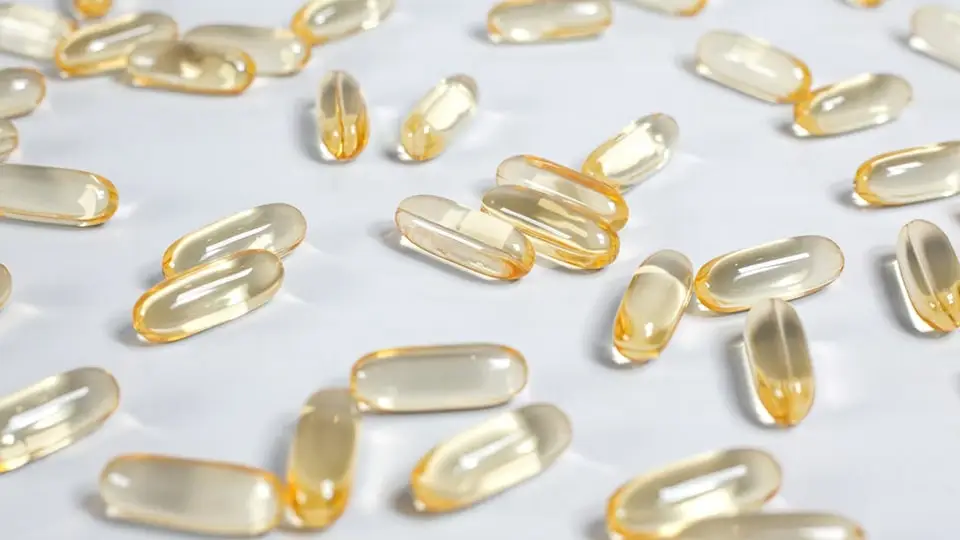
Découvrez comment les capsules molles (capsules de gélatine molle) sont faits du début à la fin. Ce guide facile
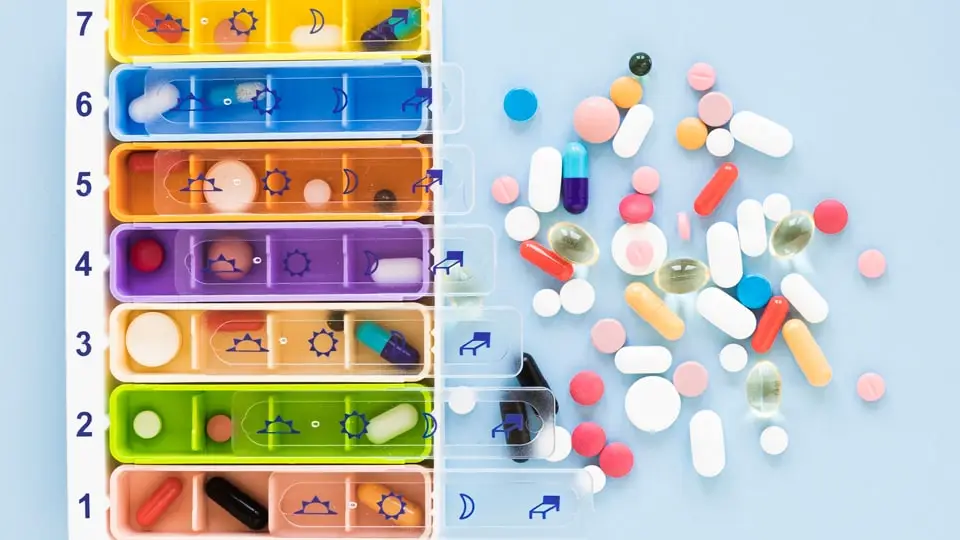
Découvrez les avantages essentiels du compteur automatique de comprimés. Atteindre 99.99% précision, assurer les BPF
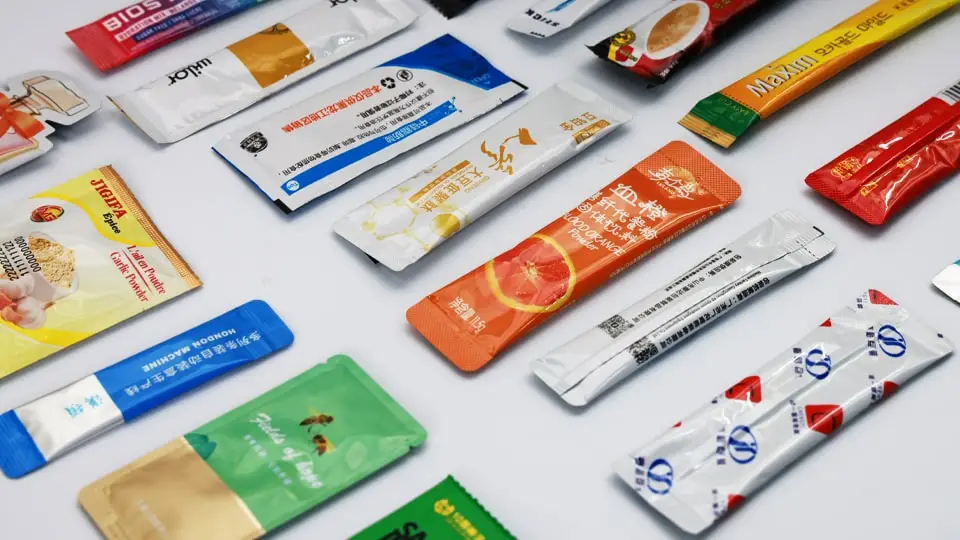
Découvrez ce qu'est un sachet et comment fonctionne l'emballage en sachet. Découvrez les types de sachets, avantages
