
Paquete de barras versus bolsita: La guía definitiva para las diferencias clave
Descubra las diferencias clave entre el envase tipo stick pack y el de bolsita. Conoce su diseño, producción

Medication non-compliance is a global healthcare challenge, costing the industry billions annually and compromising patient outcomes. Studies show that nearly 50% of patients fail to take medications as prescribed, often due to forgetfulness, confusion, or poor packaging design. Paquetes de ampollas, Un elemento básico en el embalaje farmacéutico, Mantenga el potencial sin explotar para abordar este problema. Cuando se diseñan estratégicamente, Pueden transformarse de simples contenedores en herramientas potentes que mejoran la adherencia, reducir los errores, y empoderar a los pacientes. En esta guía, we’ll explore five evidence-backed strategies to optimize blister pack design for maximum compliance, supported by real-world examples and actionable insights.

Por qué es importante: Human brains process visuals 60,000 times faster than text. For patients managing multiple medications, clear visual cues reduce confusion and encourage timely dosing.
How to Implement:
– Color-Coding Systems: Assign distinct colors to different days or dosages. Por ejemplo, blue for morning doses and yellow for evening. A Johns Hopkins study found color-coded packs improved adherence by 34% in elderly patients.
– Symbol-Based Instructions: Replace text-heavy labels with universal symbols (P.EJ., sun/moon icons for day/night). This is critical for low-literacy populations and multilingual markets.
– Transparency Matters: Use see-through blister films to let patients view pills, reducing anxiety about missed doses.
Estudio de caso: A European pharmaceutical company redesigned their hypertension medication blister packs using a gradient color system (dark to light shades across days). Patient surveys showed a 27% drop in missed doses within three months.
Por qué es importante: Digital integration bridges the gap between physical packaging and patient behavior monitoring.
How to Implement:
– QR Codes/NFC Tags: Embed scannable codes linking to dosage reminders, instructional videos, or refill portals.
– Bluetooth-Enabled Sensors: Rastrear cuando se retira una píldora y envía alertas automatizadas a través de aplicaciones móviles. Empresas como AdhereTech han demostrado un impulso de adherencia del 20-30% utilizando paquetes equipados con el sensor.
– Analítico con IA: Use datos de paquetes inteligentes para identificar patrones (P.EJ., dosis constantes de viernes perdidas) y activar intervenciones personalizadas.
Consejo rentable: Comience con la integración simple de código QR antes de invertir en sensores IoT. Incluso los enlaces digitales básicos pueden mejorar el compromiso con 18%, para 2023 Informe de Pharmapack.
Por qué es importante: Encima 30% de los pacientes con artritis luchan para abrir paquetes de ampollas tradicionales, conduciendo a la frustración y omitió dosis.
Soluciones de diseño:
– Mecanismos de pelado y empuje: Combinar lámina de orilla fácil con pestañas de empuje previamente anotadas. El envasado de inhalador de EPOC de GlaxoSmithkline en la EPOC vio un 40% Reducción de las quejas de los usuarios después de adoptar este enfoque.
– Tactile Markers: Add braille or raised dots for visually impaired users. Compliance rates rose by 22% in a UK trial involving diabetic patients.
– Child-Resistant Yet Senior-Friendly: Use push-through designs requiring dual pressure points—easy for adults but challenging for children.
Pro Tip: Conduct user testing with diverse age groups. A slight curve in blister cavities, por ejemplo, can make pill removal 50% easier for those with limited dexterity.
Por qué es importante: El “nudge theory” proves that subtle design choices can subconsciously drive desired behaviors.
Key Tactics:
– Sequential Numbering: Number blisters chronologically (P.EJ., “Day 1” a “Day 28”) to create a “completion bias.” Patients are 15% more likely to finish courses when progress is visually tracked.
– Empty Blister Feedback: Leave expired blisters transparent but grayed out, providing a tangible record of adherence. A Mayo Clinic trial linked this feature to a 19% adherence increase.
– Reward Zones: Include motivational messages or checkmarks after critical doses (P.EJ., “Week 1 Complete! Keep Going!”). Gamification elements boost engagement by up to 25%.
Psychology Hack: Place the most critical dose (P.EJ., morning pills) in the top-left blister—eye-tracking studies show this spot gets 70% more visual attention.
Por qué es importante: Compliance isn’t just about patients—it’s also about meeting FDA, EMA, or WHO guidelines without sacrificing usability.
Balancing Act:
– Minimum Font Size Requirements: Use bold, sans-serif fonts (P.EJ., Arial 12pt) for legibility. Sin embargo, pair text with icons to avoid clutter.
– Safety First: Include tamper-evident seals and lot numbers, but position them discreetly to avoid distracting from adherence features.
– Sustainability Compliance: Opt for recyclable PVC-free films (P.EJ., PET or PP). Eco-friendly designs can improve brand trust by 33%, indirectly boosting adherence.
Regulatory Win-Win: When Pfizer redesigned their blister packs to include larger warning symbols (per FDA guidelines), they also added color-coded allergy alerts. This dual approach reduced dosing errors by 41% in post-market surveillance.
Designing blister packs for medication compliance isn’t just a technical task—it’s a multidisciplinary endeavor blending ergonomics, tecnología, psychology, and regulatory savvy. By implementing these five strategies, pharmaceutical companies can turn packaging into a silent healthcare ally, improving outcomes while reducing systemic costs. As personalized medicine grows, expect innovations like AI-driven adaptive blister packs that adjust dosing schedules in real time or biodegradable smart films that monitor patient vitals. The blister pack of tomorrow won’t just hold pills; it’ll be a dynamic interface between patients and their health journeys.
Descubra las diferencias clave entre el envase tipo stick pack y el de bolsita. Conoce su diseño, producción
Descubra cómo funcionan las cápsulas blandas (cápsulas de gelatina blanda) están hechos de principio a fin. Esta guía fácil
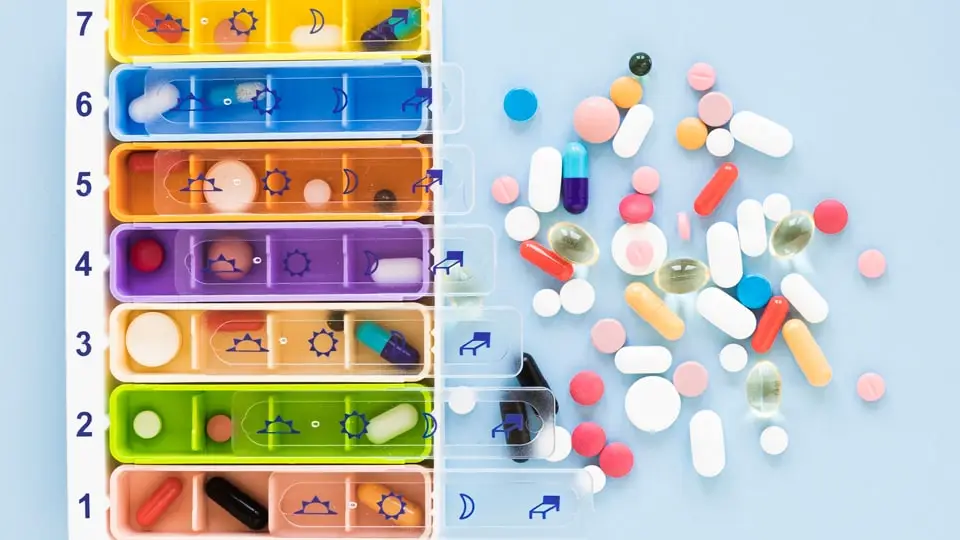
Descubra los beneficios esenciales de la máquina contadora automática de tabletas. Lograr 99.99% exactitud, garantizar las BPF
Aprenda qué es un sobre y cómo funciona el envasado en sobre. Descubre tipos de sobres, beneficios
