
ما هي كبسولات حبوب منع الحمل مصنوعة من? The real answer is surprisingly simple yet it explains why so many bestselling المكملات الغذائية use them.
Once you understand what goes into a capsule, it’s easy to see how the material affects everything like how well active ingredients survive storage, how smoothly production runs, and how confidently a brand can meet regulations and market expectations.
As capsule use grows in nutraceutical and pharmaceutical sectors, with global demand for empty fill capsules surpassing USD 3 billion, knowing what are gelatin capsules made of or what is a capsule made of becomes essential knowledge for product developers, formulators, and capsule manufacturers.
This article explains what pill capsules are made of, why choosing the right one matters for both manufacturers and consumers, and finally provide some insights into how to choose right capsules and capsule filling machines.
الوجبات السريعة الرئيسية
This article covers the following sections:
softgel capsule structure
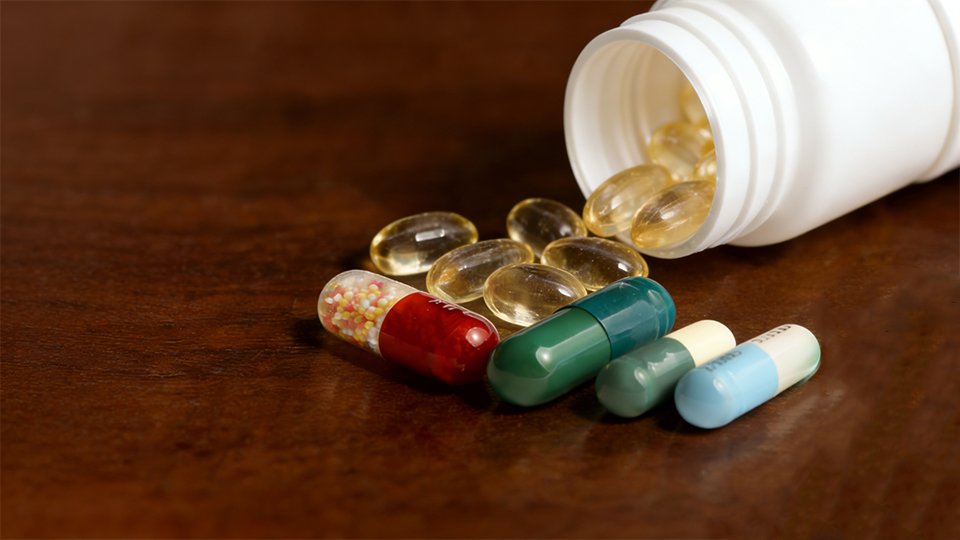
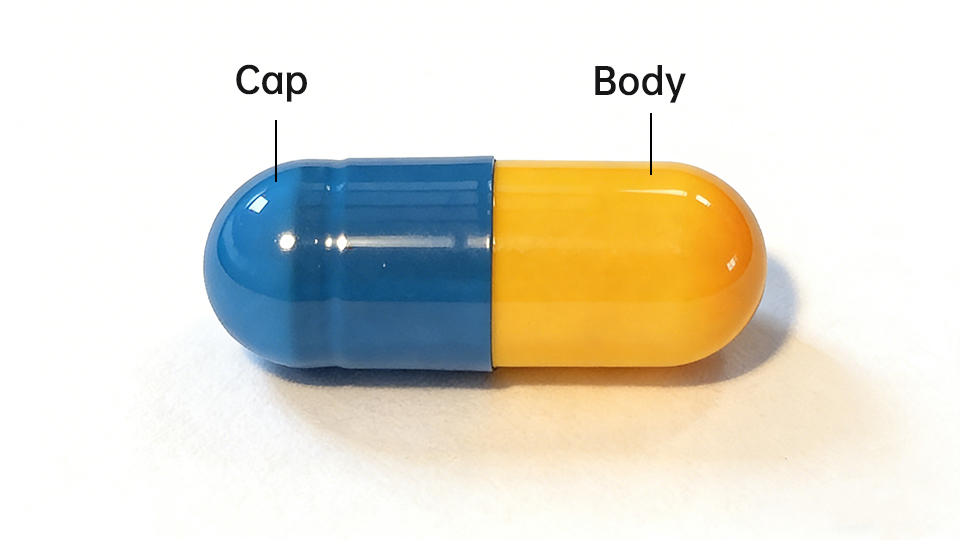
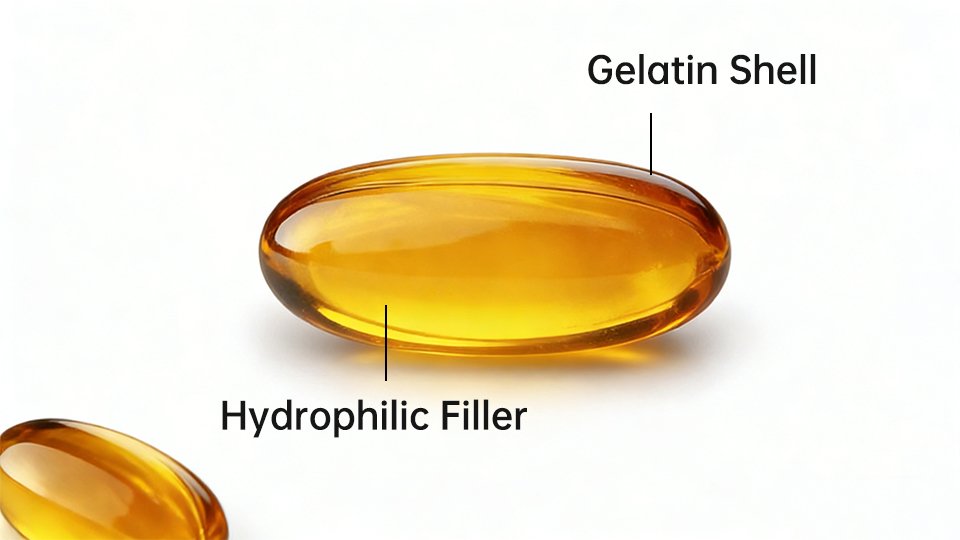
A pill capsule is a simple yet highly engineered delivery system. Most capsules consist of two main parts: a body and a cap that fit together to enclose the active ingredients. Some capsules are one-piece softgel capsules designed for oils or liquids, while the more common hard capsules are two-piece and ideal for powders, حبيبات, أو الكريات.
Capsules can hold powders, الخرز, السوائل, or oils, and some are specially coated for enteric or delayed release. Choosing the right type depends on ingredient form, استقرار, and how it will be consumed, which also affects capsule filling and efficiency.
Table 1-Typical capsule Fill Form and Recommended Capsule Type
| Filling Form | Best Capsule Type |
| مسحوق | Hard capsule |
| Oil | الكبسولات الطرية |
| Sensitive enzymes or probiotics | Enteric capsule, coated vegetarian capsule |
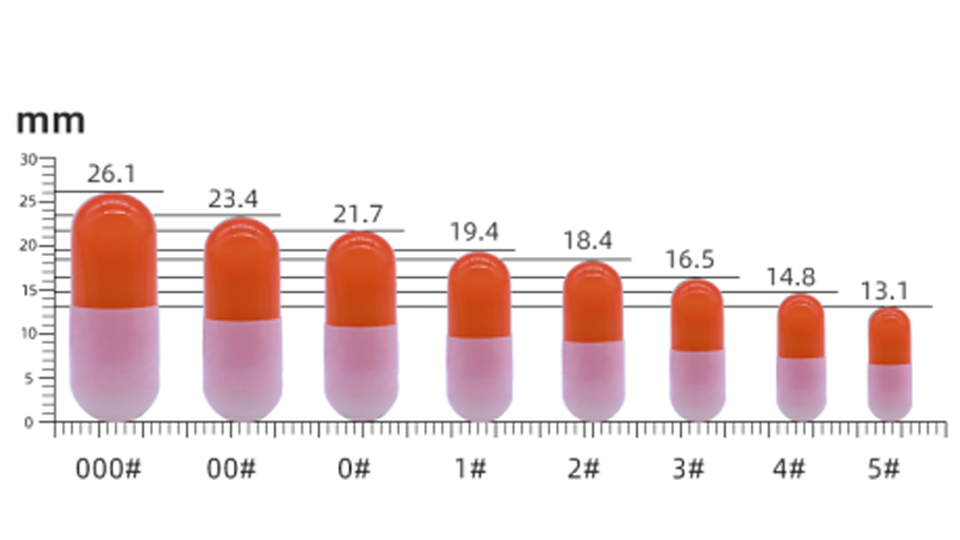
Capsule size affects dose capacity, القدرة على البلع, and even production considerations like machine compatibility. للمصنعين, the right size is not just about volume, powder density and flow behavior are equally important. Here’s a detailed capsule size chart for better understanding.
أحجام الكبسولة
Table 2-Capsule Size Chart
| مقاس | Typical Use | تقريبا. Fill Volume (مل) | Common Application |
| 000 | Largest | 1.37 | High-dose powders |
| 00 | كبير | 0.95 | الفيتامينات المتعددة |
| 0 | Common | 0.68 | General supplements |
| 1 | معيار | 0.50 | Typical adult doses |
| 2 | صغير | 0.37 | Low-dose APIs |
| 3 | Smaller | 0.30 | Children’s formulas |
| 4 | صغير الحجم | 0.20 | Microdose ingredients |
| 5 | Smallest | 0.13 | Very small active doses |
Choosing the right size ensures smooth capsule filling process and optimal dosage. Low-density powders like herbal extracts or probiotics often require larger capsules, while high-density actives may fit in smaller sizes. Manufacturers should consult their capsule supplier’s exact volume specifications for precise planning.
Capsule shells aren’t just containers—they’re like tiny guardians, protecting the ingredients and controlling how quickly nutrients are released. The shell material affects capsule filling, استقرار, and final product quality. باختصار, the shell plays both protector and gatekeeper from factory to consumer.
Now, let’s take a look at the different types of capsule shells and how each one plays a unique role in your product’s performance and production process.
What they are: كبسولات الجيلاتين are made from collagen, usually sourced from animals like cows, pigs, أو الأسماك. They’re clear, dissolve quickly in the stomach, and are commonly used for powders, حبيبات, and oils.
ملكيات: شفاف, easy to seal, and quick to dissolve in the stomach. Gelatin is flexible, making it suitable for both hard capsules and softgels.
Typical uses:
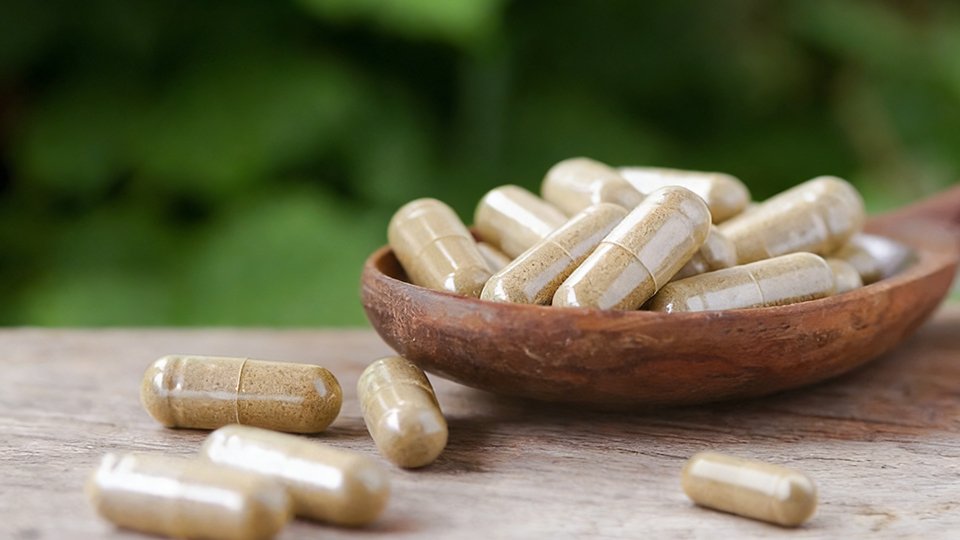
كبسولات نباتية
What they are: Vegetarian Capsules are made from plant-based materials like HPMC or pullulan. They’re a great option for vegan or halal products and dissolve at a moderate pace, making them ideal for sensitive ingredients like probiotics and herbal extracts.
ملكيات: Plant-derived, ideal for vegan or halal products, more stable against moisture, and perfect for vegan capsules or vegan probiotic capsules.
Market trend: Vegetarian capsule use is growing rapidly, reflecting consumer demand for plant-based supplements and ethical sourcing.
أنواع: Enteric-coated capsules, starch-based shells, and patented polymer capsules.
غاية: Designed for delayed release or protection of sensitive ingredients such as probiotics.
Typical uses:
Choosing the right capsule material is the first step toward ensuring smooth production, quick dissolution, and happy customers. لذا, let’s take a closer look at how to pick the perfect capsule for your product.
Picking the right capsule is really about matching your ingredients, your customers’ expectations, and what your factory can handle. It’s like finding the right little ship to carry your cargo safely and efficiently. To make this choice clearer, let’s compare three key capsule types: vegetarian vs gelatin, liquid vs powder, and softgel vs hard capsules.
Table 4-Comparison Table Between Gelatin Capsule And Vegan Capsule
| ميزة | Gelatin Capsule | Vegetarian Capsule (HPMC) |
| سرعة الذوبان | سريع, melts in stomach quickly | أبطأ, protects moisture-sensitive ingredients |
| استقرار | Sensitive to heat & رطوبة | More stable, ideal for moisture sensitive powders |
| Suitable Fills | مساحيق, زيوت, standard nutraceuticals | البروبيوتيك, الانزيمات, plant extracts, vegan products |
| تخني الطعم | معتدل | جيد, neutral taste |
| Dietary Restrictions | Not vegan, not halal | Vegan, halal-friendly |
| يكلف | Generally lower | Slightly higher |
سرعة: Gelatin capsules dissolve quickly, making them perfect for powders that need fast release. HPMC and pullulan take a little longer but keep moisture-sensitive ingredients safe.
استقرار: Gelatin is a bit sensitive to heat and humidity, while HPMC and pullulan act like a protective shield for delicate powders.
Use Cases: Gelatin fits everyday vitamins or fish oil powders, while vegetarian capsules excel with probiotics, الانزيمات, and plant extracts.
Diet & ذوق: Gelatin isn’t always vegan or halal, and taste masking is average. HPMC and pullulan are plant-based and neutral in flavor, making them easier for everyone to swallow.
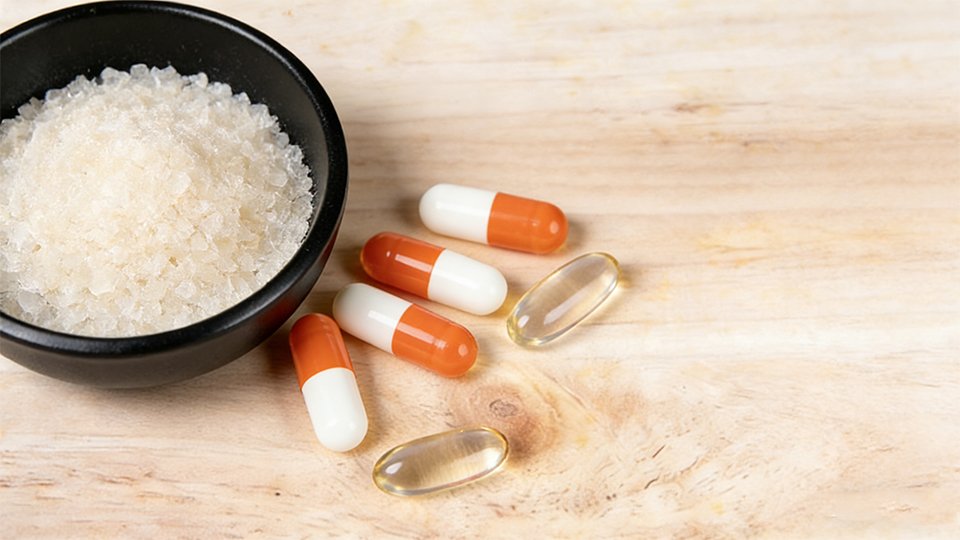
hard gelatin capsules and soft gel capsules
Table 5-Comparison between Hard Capsules and Soft Gel Capsules
| ميزة | كبسولة صلبة | Soft gel Capsule |
| Shell Type | قطعتين (جسم + كاب) | قطعة واحدة, مرن |
| نوع التعبئة | مساحيق, حبيبات, الكريات | زيوت, liquid suspensions |
| Dissolution | Fast for powders | معتدل, oil absorption enhanced |
| ختم & حماية | معتدل | Excellent sealing, protects liquid oils |
| يكلف | أدنى | أعلى |
| Handling | Easier to produce and store | Requires careful storage, sensitive to deformation |
Hard gelatin capsules are two-piece shells that hold powders or granules and release them quickly, making them great for multivitamins or powdered supplements. Soft gel capsules are one-piece and flexible, perfect for oils or liquid suspensions like fish oil. They dissolve a bit slower but boost absorption, seal liquids tightly, and mask taste. Hard gel capsules are easier and cheaper to make, while softgel capsule give delicate liquids extra protection.
Table 6-comparison between Powder capsules and Liquid Capsules
| ميزة | Powder-Filled Capsule | Liquid-Filled Capsule |
| Absorption | معيار, depends on dissolution | Often faster for fat-soluble ingredients |
| Production Complexity | بسيط | أكثر تعقيدا, requires specialized equipment |
| استقرار الرف | Stable if moisture-controlled | Sensitive to temperature and oxidation |
| Fill Types | المساحيق الجافة, حبيبات | زيوت, المستحلبات, liquid suspensions |
| يكلف | أدنى | أعلى |
Powder capsules release ingredients steadily and are easy to fill, making them ideal for most vitamins and herbal extracts. Liquid capsules dissolve faster for fat-soluble nutrients like oils and emulsions, but they need special equipment, careful handling, and sealed shells to stay stable.
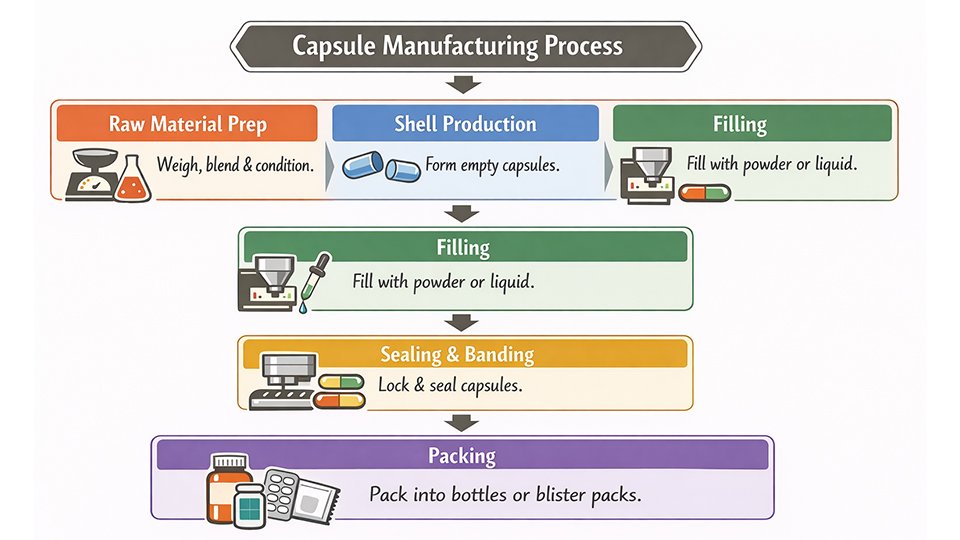
Once you know which type of capsule fits your product, the next step is bringing it to life on the production line. Making capsules looks easy, but in reality, turning powders and oils into uniform, ready-to-use empty pill capsules takes precision, توقيت, والمعدات المناسبة. Here’s how the process unfolds in real factories.
تحضير المواد الخام: Powders or liquids are weighed, blended, and conditioned for smooth flow.
Shell production: Gelatin or HPMC is formed into empty gel capsules through dipping or molding.
تعبئة: Powders are dosed with tamping pins; liquids are injected into softgels.
ختم & banding: Hard gelatin capsules are locked; softgels are sealed.
تجفيف & تقتيش: Capsules are dried, polished, and inspected for weight, شكل, and defects.
التعبئة: Final capsules are packaged into bottles, بطاقات نفطة, or sachets.
Capsule shell line: Forms empty gelatin or HPMC shells.
Hard capsule filling line: Dosing, تدك, sealing stations.
Softgel encapsulator / liquid filler: Handles oils, المستحلبات, and liquid blends.
تقتيش & آلات التغليف: Weight check, metal detection, تلميع, and bottling.
Shell production: Gelatin or HPMC solution is deposited on pin bars to form uniform capsules.
Conditioning & sizing: Capsules are dried and cut to the right size.
تعبئة: Powders or liquids are metered and deposited.
ختم & تلميع: Hard gel capsules are locked; while soft gel capsule are sealed and polished.
Final QC: Capsules are checked for weight, integrity, and appearance before packaging.
Real factories face four main challenges when filling capsules. Knowing them helps you understand why advanced equipment matters.
Filling capsules might seem simple, but powders can be tricky, flowing unevenly or clogging the doser. Too much or too little in each capsule leads to wasted material and failed batches. لذلك, keeping weight variation around ±3–5% keeps capsule production on track.
Capsules are fragile, and a rough touch can easily damage them. Misaligned caps or too much force during filling can crack shells or cause gelatin softgel capsule to leak. Keeping the right alignment and gentle turret speed helps each capsule stay perfect and ready for use.
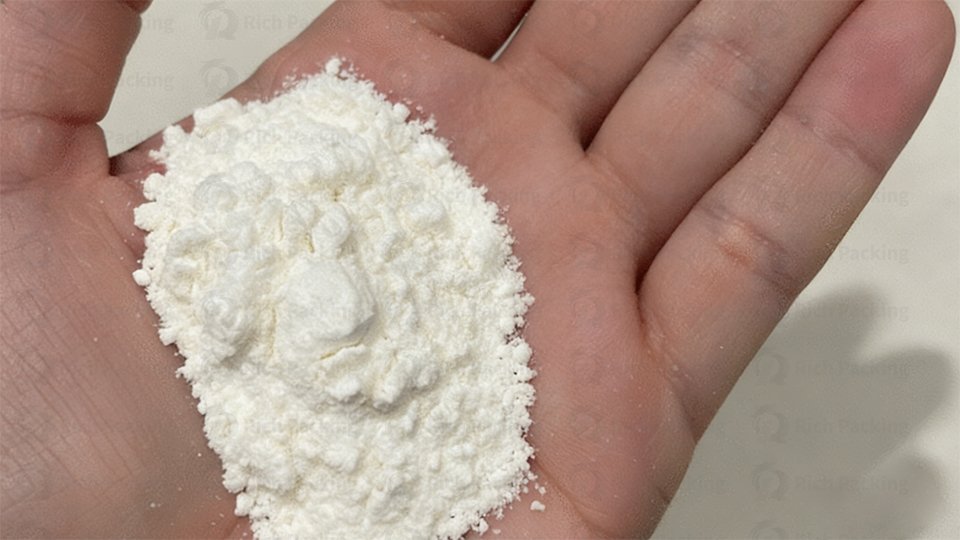
Fine powders can clump, bridge dosing holes, or stick to rods, causing underfills and waste. Anti-bridging designs, coated rods, and gentle vibrations keep the powder flowing smoothly.
Powder dust can sneak around the line, creating mess and risking contamination. Enclosed stations, HEPA filters, and gentle airflow keep the dust in check and the production safe.
When it comes to turning tricky powders and delicate shells into perfectly filled capsules, the machine you choose can make all the difference. اليمين آلة حشو الكبسولة doesn’t just speed up production, it keeps every dose accurate, every shell intact, and every capsule filling line running smoothly. Let’s see what matters most when picking one capsule making machine.
When evaluating an automatic capsule filling machine, there are several factors that determine whether it will keep your line running smoothly:
Output and speed: How many capsules per hour do you need? Machines vary from small-scale lab units to high-speed production lines capable of tens of thousands per hour. Picking the right capacity ensures your line meets demand without overworking equipment.
Fill accuracy: Precision is everything. Look for machines that consistently meet your target fill weight, typically within ±3-5%, to avoid waste and failed batches.
Capsule compatibility: The machine needs to handle the types you use, whether gelatin, HPMC, or specialty shells, without bending, تكسير, or causing jams.
Powder or liquid handling: مساحيق دقيقة, sticky granules, or liquid oils each pose unique challenges. Machines with anti-bridging mechanisms, rod coatings, or enclosed liquid injection systems help prevent common issues.
Hygiene and dust control: A well-designed enclosure, HEPA filtration, and positive-pressure zones protect both product and operators from airborne dust.
Support and service: Consider warranty, spare parts lead times, and availability of validation support. A machine that comes with strong service backing can save months of headaches.
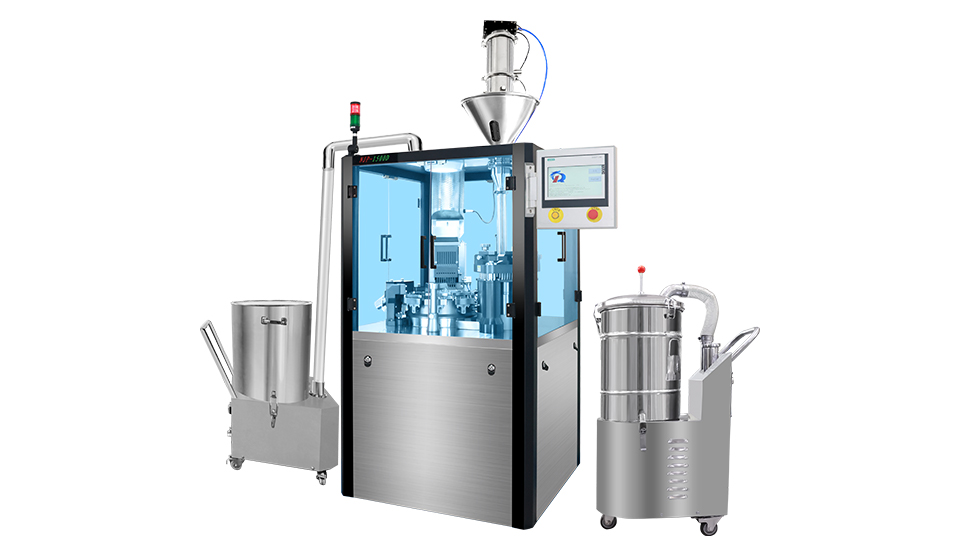
التعبئة جينلو designs NJP series capsule filling machines with real-world production challenges in mind, turning common pain points into smooth solutions.
Precision powder handling: Adjustable feeding angles, anti-bridging pneumatic vibration dosing stations, and rods treated with non-polar electronic polishing keep powders moving consistently, preventing underfills and sticking.
Capsule care: Gentle groove air blast pin, servo-controlled tamping, and in-line alignment ensures intact shells without cracks or leaks.
Clean and safe design: Enclosed filling stations, and positive-pressure zones reduce dust and contamination, while integrated design makes cleaning simple.
Jinlu Packing goes beyond machines, offering support that ensures your line keeps producing efficiently:
Installation and training: On-site commissioning, operator guidance, and step-by-step SOPs.
Quality documentation: FAT/SAT protocols and sign-off for full accountability.
Long-term peace of mind: Three-year core machine warranty, wear-part replacement, and optional preventive maintenance plans.
Tailored solutions: Custom configurations like PTFE-plated match your exact capsule product and workflow needs.
With these machines and support in place, choosing the right capsule filling system becomes a strategic decision, helping you achieve smoother production, higher yields, and consistent quality.
Choosing the right capsule and the right machine is more than picking a shell and hitting “start.” Understanding what pill capsules are made of helps ensure ingredient stability, proper dissolution, والامتثال التنظيمي. Different capsule materials affect ingredient stability, swallowing, and compliance, while production issues like powder flow, bridging, تشوه, and dust can disrupt output. Jinlu Packing provides not just advanced machines but full support, from precision capsule filling to on-site training and maintenance, turning what once felt complicated into a smooth, reliable process.
لا. Most capsules are made of gelatin, HPMC, or pullulan, not plastic. These edible shells show what pill capsules are made of and why they are safe.
نعم. Gelatin capsules dissolve quickly, while HPMC or pullulan are slower. Enteric-coated capsules delay release for sensitive ingredients, showing how “what a pill capsule is made of” affects performance.
It depends. Softgel capsules should stay sealed for oils or liquids. Powder capsules can sometimes be opened but may affect taste, امتصاص, or dosage. Knowing what a pill capsule is made of matters.
Often yes for fat-soluble nutrients like fish oil, since absorption is faster. Tablets can be more stable and cost-effective. Comparing pill vs capsule forms helps choose the right option.
لا, الجيلاتين, HPMC, and pullulan are safe when produced under proper standards. Always consult your product safety and regulatory guidance.

